Japan, also known as the Land of the Rising Sun, is an island nation located in East Asia. Here are some key aspects of Japan:Geography: Japan is an archipelago consisting of four main islands (Honshu, Hokkaido, Kyushu, and Shikoku) and thousands of smaller islands. It is surrounded by the Pacific Ocean, the Sea of Japan, and the East China Sea.
The country is known for its diverse landscapes, including mountains, forests, hot springs, and beautiful coastlines. Culture: Japanese culture is rich and unique, blending ancient traditions with modern influences. It is known for its emphasis on respect, discipline, and harmony. Traditional arts such as tea ceremonies, calligraphy, flower arrangements (ikebana), and kabuki theatre are highly regarded. The country has also made significant contributions to popular culture with anime, manga, and video games gaining global popularity.
Language: The official language of Japan is Japanese. The writing system consists of three scripts: Hiragana, Katakana, and Kanji (Chinese characters). English is also spoken and understood in many tourist areas and major cities. Food: Japanese cuisine is renowned worldwide, known for its freshness, presentation, and attention to detail. It includes dishes like sushi, sashimi, ramen, tempura, yakitori, and more. Rice is a staple food, and seafood plays a significant role in the country’s cuisine. Matcha (powdered green tea) is also a popular beverage. Technology: Japan is known for its advanced technology and innovation. It is home to various leading electronics and automotive companies.
The country has made significant contributions to fields like robotics, video games, transportation, and digital technology. Tourism: Japan attracts millions of tourists each year. Visitors are drawn to its unique blend of ancient and modern attractions. Popular destinations include Tokyo (the bustling capital), Kyoto (known for its traditional temples and gardens),
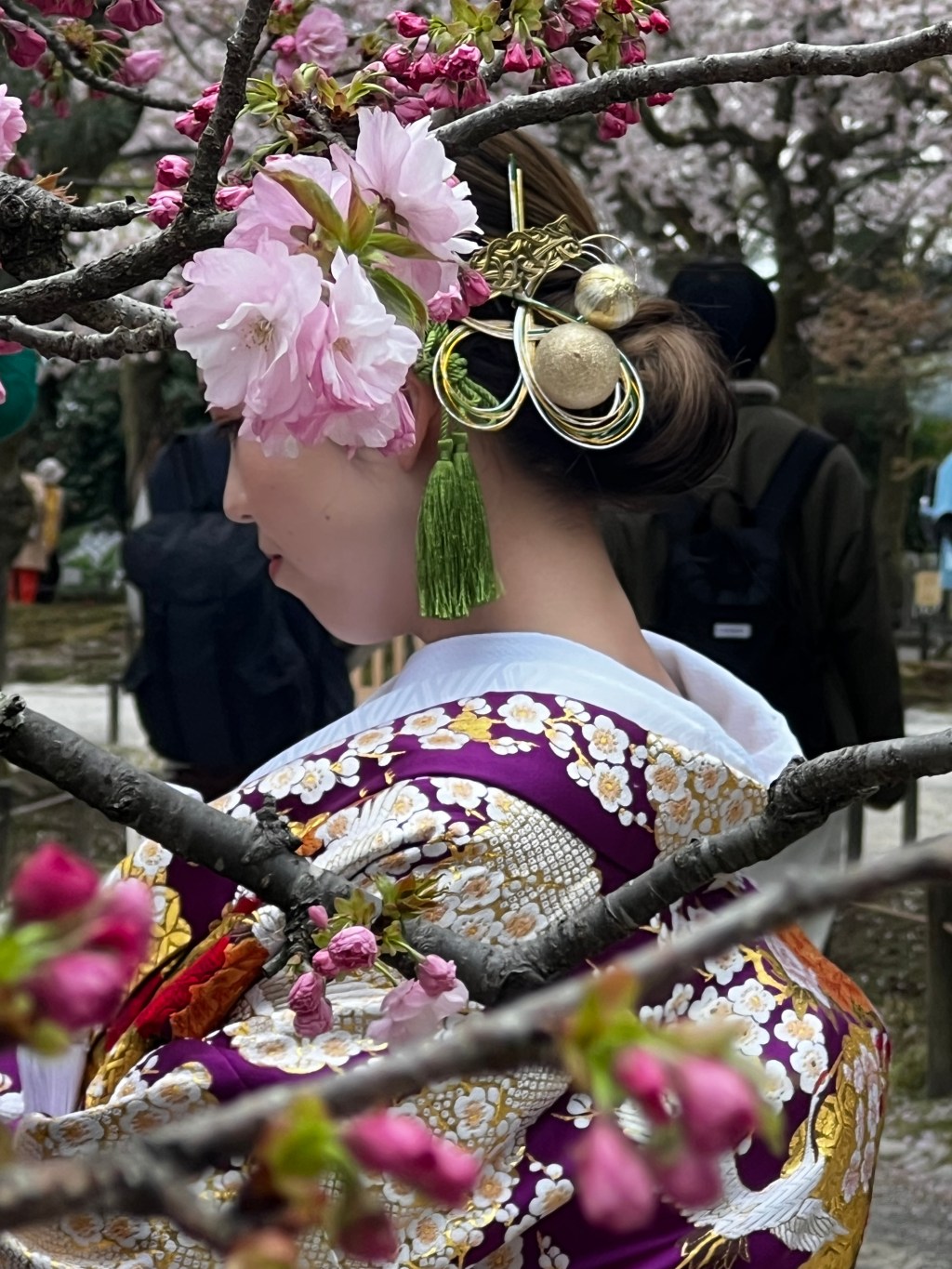
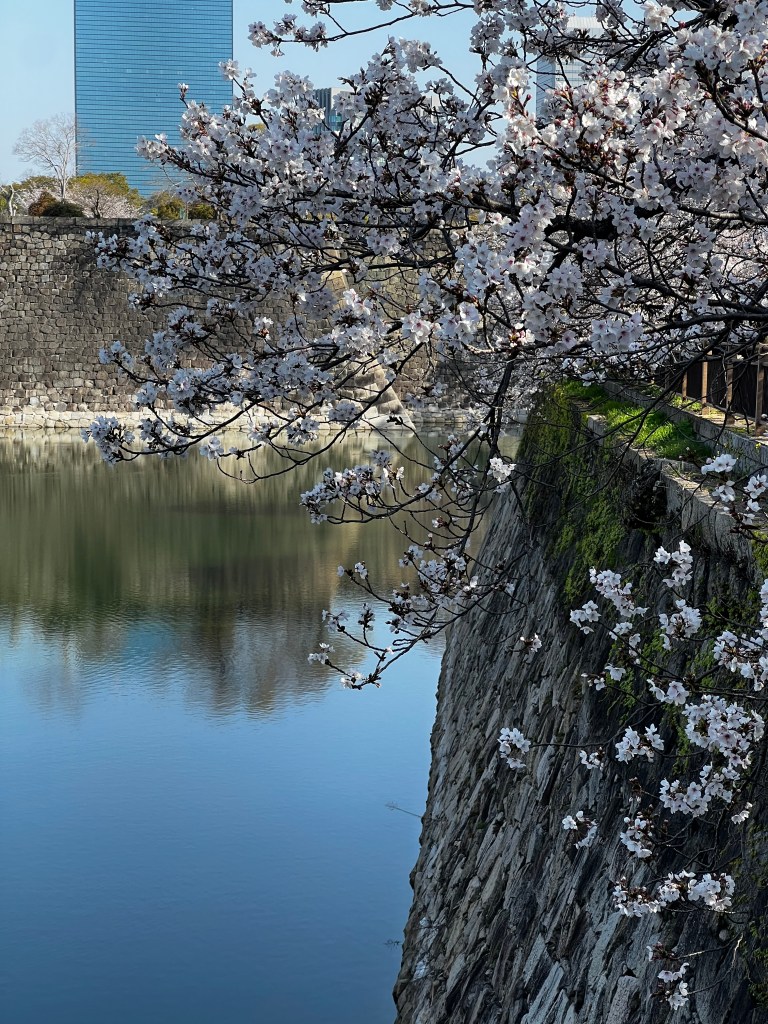
Osaka (a vibrant city with a lively food scene), Hiroshima (with its historical significance), and Nara (famous for its friendly deer and ancient temples).Nature: Japan is known for its stunning natural beauty. Mount Fuji, an iconic symbol of the country, is the highest peak and attracts climbers and hikers. Cherry blossoms (sakura) in spring, vibrant autumn foliage, and hot springs (onsen) are also major attractions. National parks like Hakone, Nikko, and the Japanese Alps offer breathtaking landscapes.
Etiquette: Japanese society places great importance on politeness and respect. Bowing is a common form of greeting, and it is customary to remove shoes before entering homes or certain establishments. It is also important to follow specific dining etiquette, such as saying “Itadakimasu” before a meal and not sticking chopsticks upright in rice. These are just a few aspects that contribute to the rich and fascinating culture and lifestyle in Japan. The country offers a unique blend of tradition and modernity that continues to captivate visitors from around the world.
Some Japanese basic words
You might need some essential Japanese words
- Konnichiwa: Hello
- Arigatou: Thank you
- Doitashimashite: you’re welcome
- Sumimasen: Excuse me/ I am sorry
- Hai: Yes
- Lie: No
- Bayou Gozaimasu: Good morning
- Konbanwa: Good evening
- O-yasumi nasai: Good night
- Sayonara: Goodbye
- Oishii: Delicious
Young people in Japan say these words below in their daily conversation often.
- Naruhodo: Oh I see! (Casual)
- Yabai: Crazy (the good or bad kind, depending on context)
- Ossuary: What’s up?
- Kim: Gross!
- Benkyo ni narimashita: I’ve learned something.
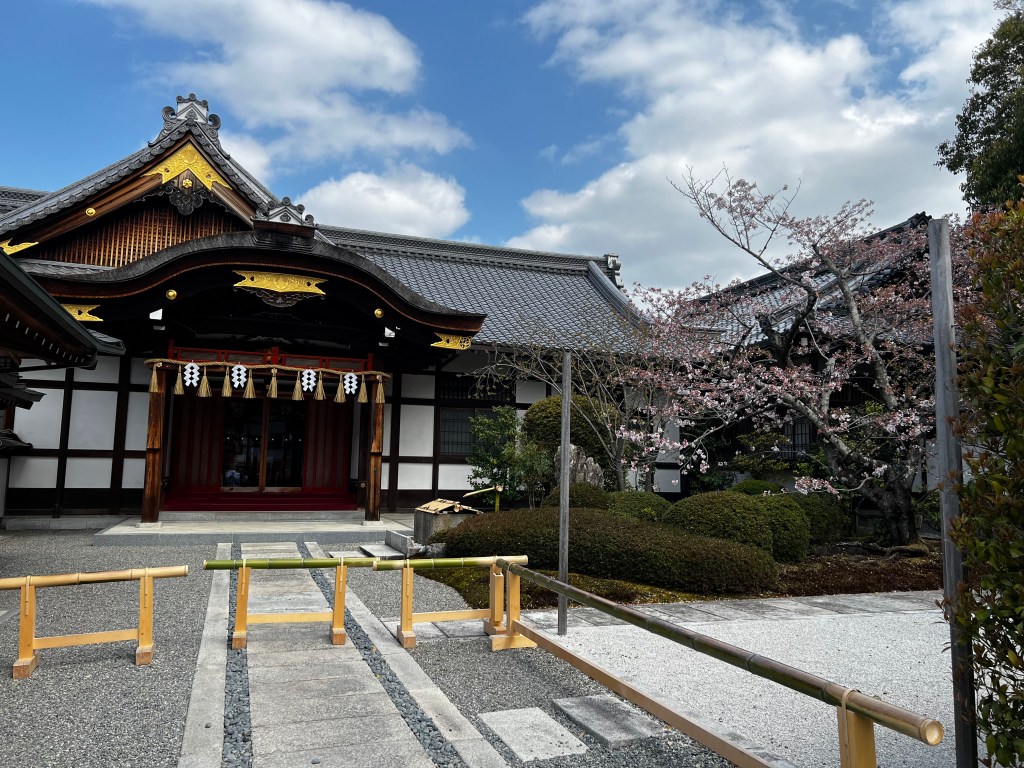
- https://web-japan.org/trends/11_food/jfd202302_cherry-blossoms.html
Nara
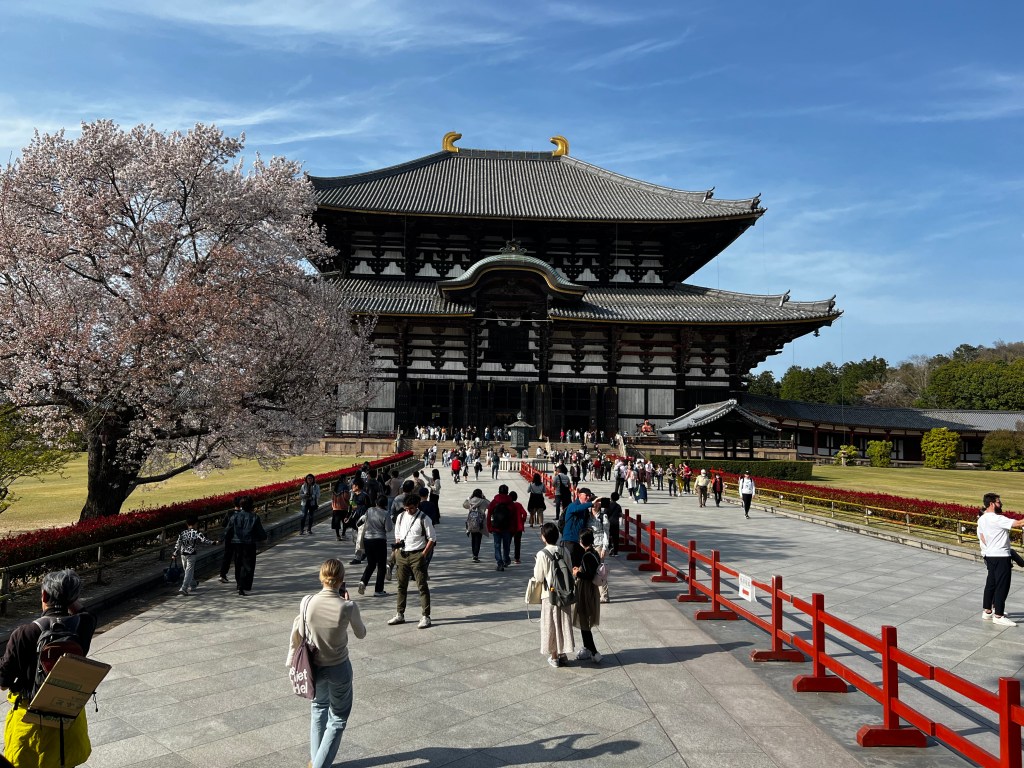
- Nara is a city located in the Kansai region of Japan, just south of Kyoto. It is known for its rich cultural heritage, historic sites, and friendly deer that roam freely in Nara Park. Here are some highlights of Nara:
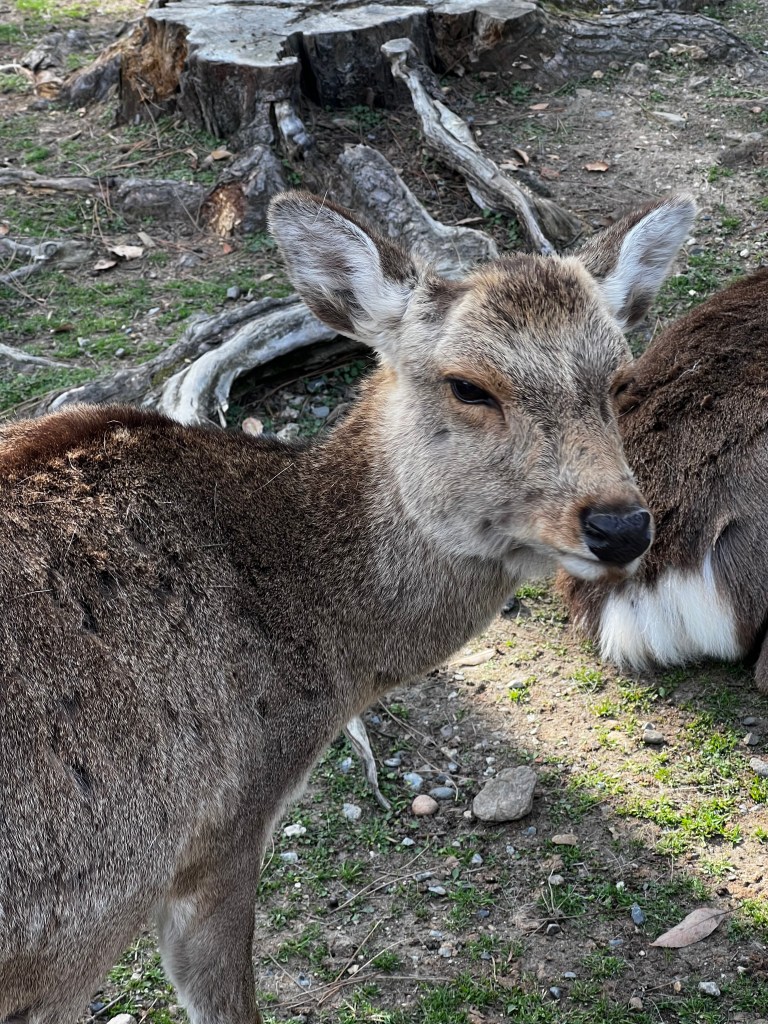
- Nara Park: This expansive park is home to over 1,000 deer that are considered sacred and protected by the city. Visitors can feed and interact with the deer, making for a unique and memorable experience.
- Todaiji Temple: One of Japan’s most famous and significant temples, Todaiji houses a massive bronze Buddha statue called Daibutsu, which is one of the largest in the world. The temple complex is also a UNESCO World Heritage site.
- Kasuga Taisha: A Shinto shrine known for its beautiful vermilion-coloured buildings and thousands of stone lanterns that line the approach. The shrine is dedicated to the deity responsible for the protection of the city.
- Nara National Museum: Located within Nara Park, this museum houses a vast collection of Buddhist art and artifacts, including sculptures, paintings, and archaeological finds.
- Horyuji Temple: As one of the oldest wooden structures in the world, Horyuji Temple is an important Buddhist temple and a UNESCO World Heritage site. It contains numerous ancient treasures, including the world’s oldest wooden pagoda.
- Isuien Garden: A traditional Japanese garden located near Todaiji Temple. It features a beautiful pond, meticulously arranged landscapes, and seasonal flora, making it a serene spot to relax and appreciate nature.
- Nara Machi: This area of the city is known for its preserved traditional buildings, narrow streets, and charming atmosphere. It’s a great place to explore and get a sense of old Japan.
- Yoshiki-en Garden: A peaceful and beautifully landscaped garden located near Nara Park. It comprises three distinct styles – a pond garden, a moss garden, and a tea ceremony garden.
- Naramachi Museum: This museum provides insight into the history and daily life of Nara during the Edo period. Visitors can explore recreated merchant homes and learn about traditional crafts and culture.
- Mount Wakakusa: A small mountain located on the eastern side of Nara Park. It offers hiking trails and panoramic views of the city, especially during the annual Yamayaki festival when the mountain is set ablaze.
Temple and Castle
There are so many castles and temples in Japan but only eight UNESCO World Heritage Sites. One of them is Todaiji Temple. Japan is home to the world’s largest bronze giant statue of Daibutsu, the founder of Jodo Shinshu or “True Pure Land School” of Buddhism. Todaiji is famous for its beautiful garden. called Isui-en.
Todaiji Temple is a famous Buddhist temple located in Nara, Japan. The temple was originally constructed in 752 during the Nara period. It was commissioned by Emperor Shomu and served as the head temple of all provincial Buddhist temples throughout Japan.
Great Buddha Hall: The main hall of Todaiji Temple, known as the Daibutsuden, is one of the largest wooden structures in the world. It houses a massive bronze statue of Buddha known as Daibutsu. The statue stands approximately 15 meters (49 feet) tall and is the largest bronze Buddha statue in Japan.
Cultural Significance: Todaiji Temple is a UNESCO World Heritage site and holds great cultural and historical importance in Japan. It represents the pinnacle of Japanese Buddhist architecture and serves as a symbol of the country’s ancient capital, Nara.
Nandaimon Gate: The main entrance to Todaiji Temple is marked by the Nandaimon Gate, a large wooden gate guarded by two fierce-looking statues known as the Nio guardians. The gate itself is an impressive structure and leads visitors into the temple complex.
Nara Park: Todaiji Temple is located within Nara Park, a sprawling park that is home to hundreds of freely roaming deer. Many visitors to the temple enjoy feeding and interacting with the deer, which are considered sacred and protected in Nara.
Cultural Treasures: Inside Todaiji Temple, you can find various important cultural and religious artifacts, including statues, paintings, and scriptures. These treasures offer insights into the history and artistic achievements of ancient Japan.
Surrounding Attractions: Nara has several other notable attractions nearby Todaiji Temple. These include Kasuga Taisha, a beautiful Shinto shrine famous for its lanterns, and the Nara National Museum, which houses a vast collection of Buddhist art and artifacts.
Visiting Todaiji Temple provides a glimpse into Japan’s rich cultural and religious heritage. Its grand architecture, awe-inspiring Buddha statue, and serene surroundings make it a must-see destination for travelers exploring Nara.
Himeji
In most castles or temples, there is no dress code to enter this amazing Himeji Castle, also known as Himeji-jo, is a magnificent castle located in Himeji, Hyogo Prefecture, Japan. It is widely regarded as one of Japan’s most beautiful and well-preserved castles and is a UNESCO World Heritage site. Himeji Castle was originally built in the 14th century and has undergone various expansions and renovations over the centuries.
Himeji Castle is a masterpiece of Japanese castle architecture. Its elegant white appearance, complex network of defensive walls, and intricate wooden structures make it a prime example of the traditional Japanese castle style known as “Hirayama-style.”
Main Keep: The castle’s main keep, known as the Main Tower, is a six-story structure that stands tall at approximately 46 meters (150 feet). It offers panoramic views of the surrounding city and countryside from its top floors.
Defensive Features: Himeji Castle is renowned for its sophisticated defensive features, including narrow corridors, hidden openings for archers, and stone walls designed to impede attackers. These features showcase the castle’s strategic design and its ability to withstand sieges.
Koko-en Garden: Adjacent to Himeji Castle is the Koko-en Garden. This beautiful Japanese garden features nine distinct gardens, each with its own unique style and elements such as ponds, tea houses, and meticulously manicured landscapes. It provides a tranquil setting for visitors to relax and appreciate the natural beauty.
Cherry Blossoms: Himeji Castle is particularly stunning during the cherry blossom season, usually in late March or early April. The castle grounds and surrounding areas are adorned with thousands of cherry trees, creating a picturesque scene that attracts visitors from around the world.
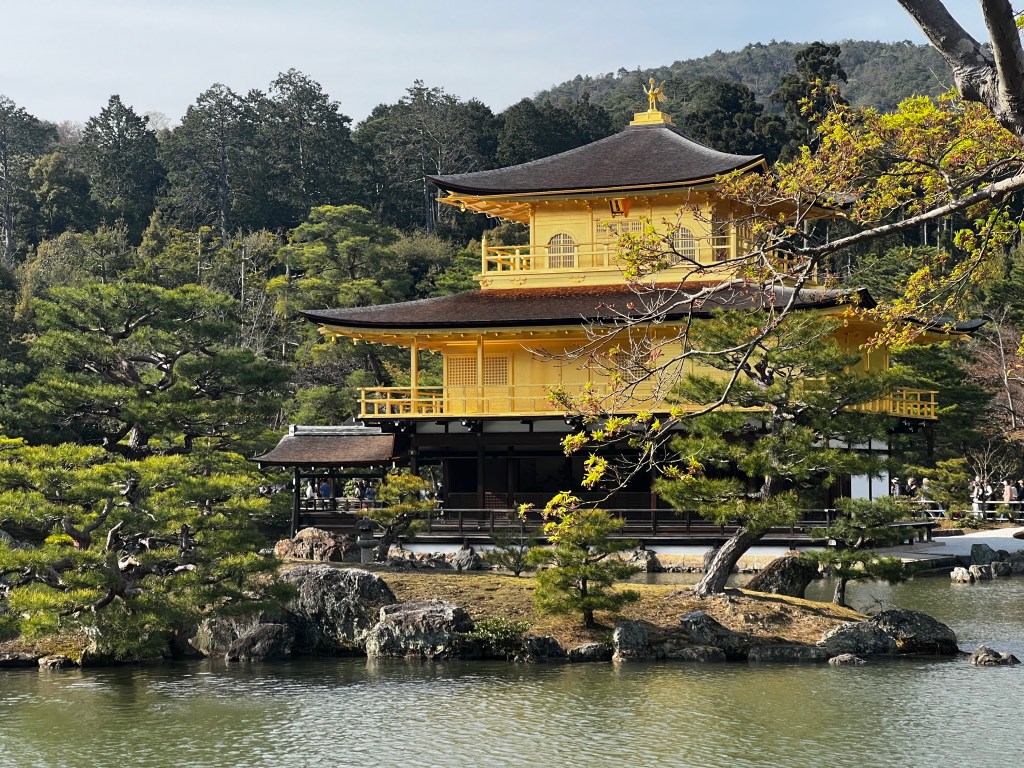
Cultural Significance: Himeji Castle represents Japan’s feudal era and is an important cultural symbol of the country. It offers insights into the military architecture, engineering techniques, and historical context of the time.
Visitors to Himeji Castle can explore the castle grounds, climb to the top of the Main Tower, and admire the castle’s impressive architecture and interior spaces. The castle also has a museum that showcases artifacts and exhibits related to its history.
Himeji Castle’s grandeur, historical significance, and architectural beauty make it a popular destination for tourists and history enthusiasts alike. Its stunning appearance and well-preserved structures provide a glimpse into Japan’s rich feudal past.
Explore Hiroshima
Hiroshima offers a blend of historical significance, vibrant city life, and natural beauty.
On August 6, 1945, Hiroshima was destroyed by the first atom bomb ever dropped on a city.
On August 6, 1945, the US bomber Enola Gay dropped the first atomic bomb ever used in military combat on Hiroshima. The Allied forces dropped a second atomic bomb on the city of Nagasaki three days later.
The device exploded in Hiroshima and ruined two-thirds of the city’s structures in a blinding light. At the time, the population in Hiroshima was approximately 300,000. The people that were killed by the atomic bomb were about 80,000 and injured 35,000 more. By the end of 1945, 60,000 more people had died as a result of the blast. Almost 70% of buildings in Hiroshima were demolished in that war.
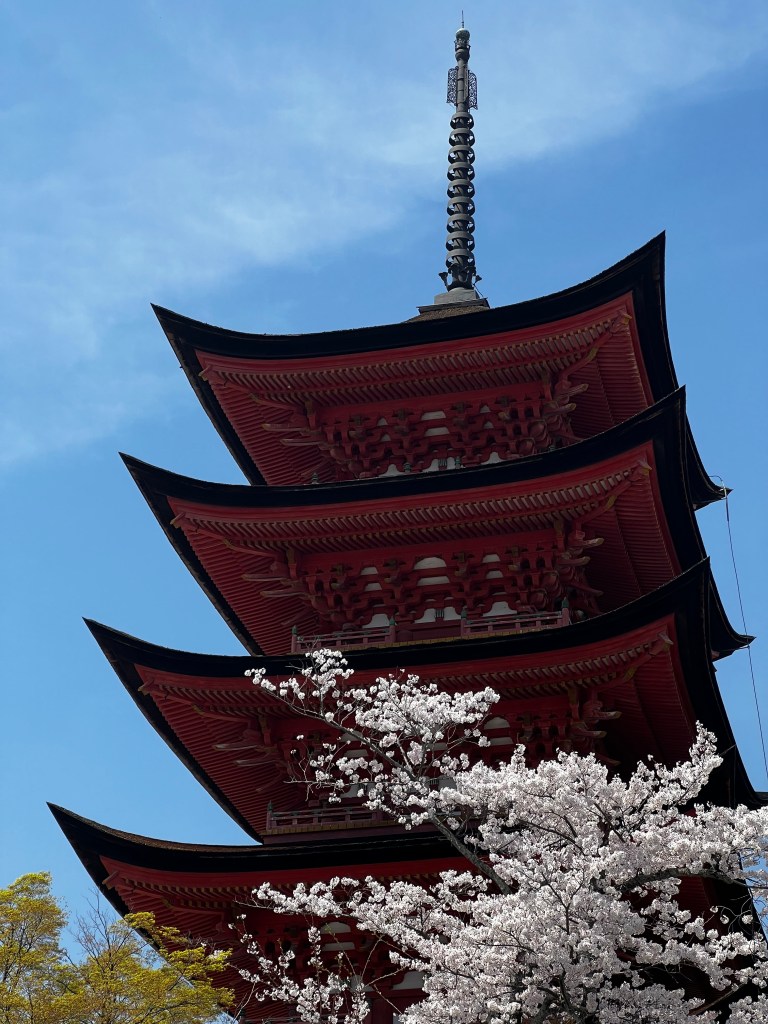
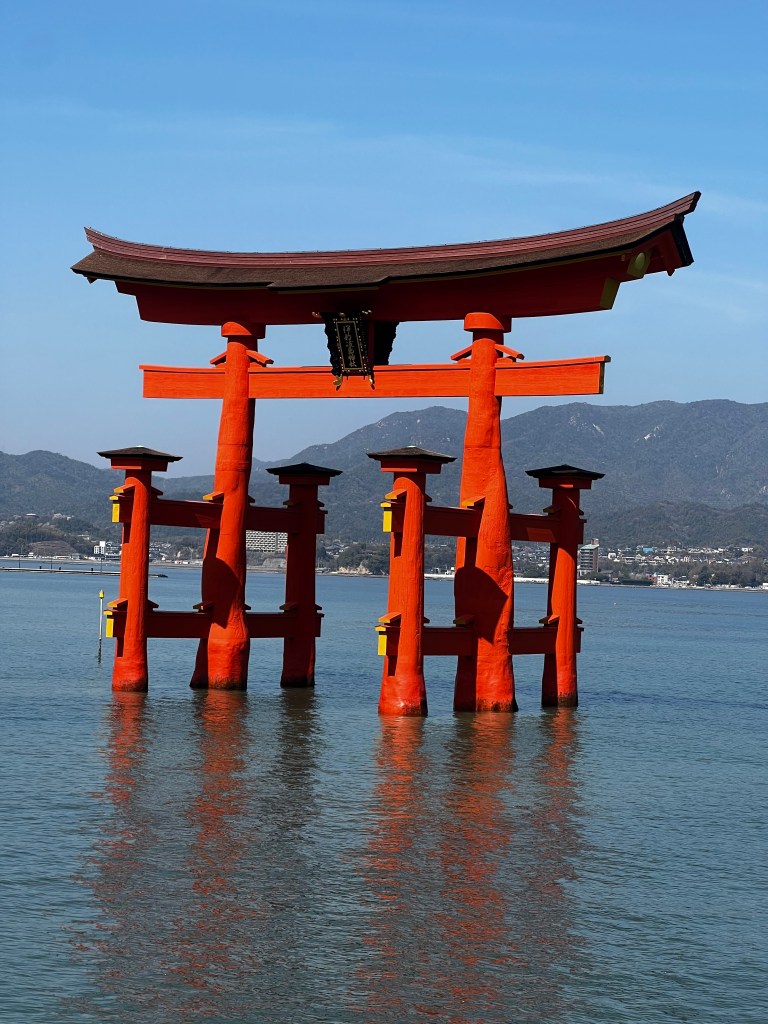
Below is a picture of A giant gate of Torii Gate in Itsukushima or Miyajima means Shrine Island. It’s a short distance-10 a 10-minute ride by ferry from Hiroshima. When on high tide this gate almost disappeared into the sea like a floating gate.
Here are some highlights of what you can do and see in Hiroshima:
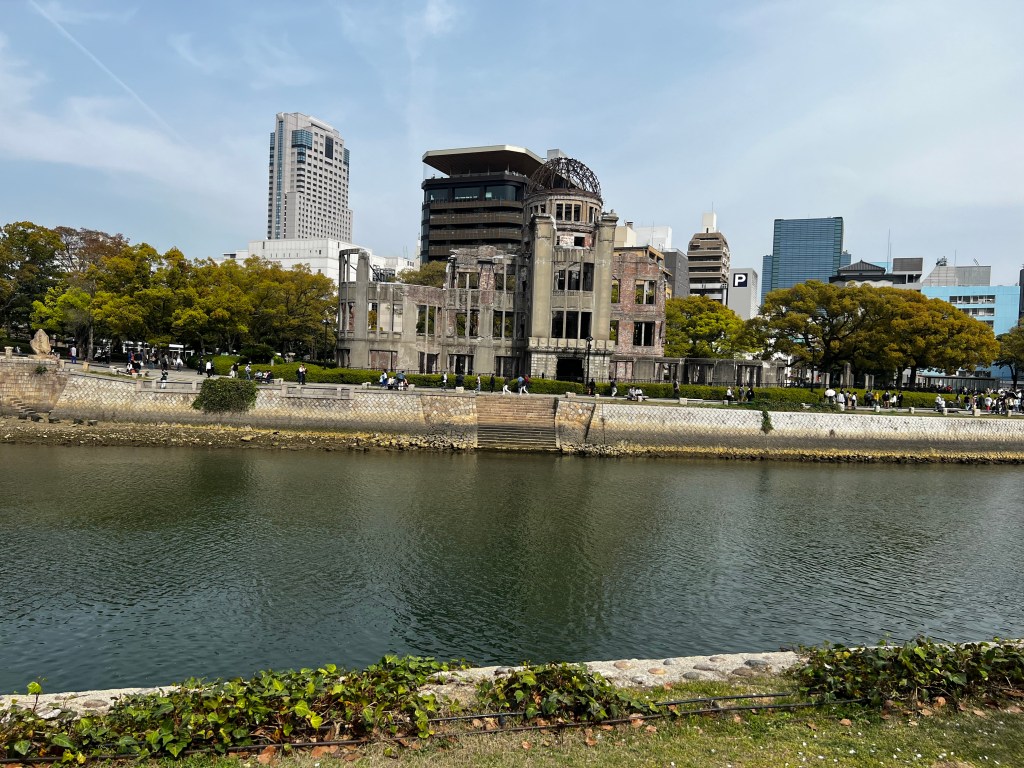
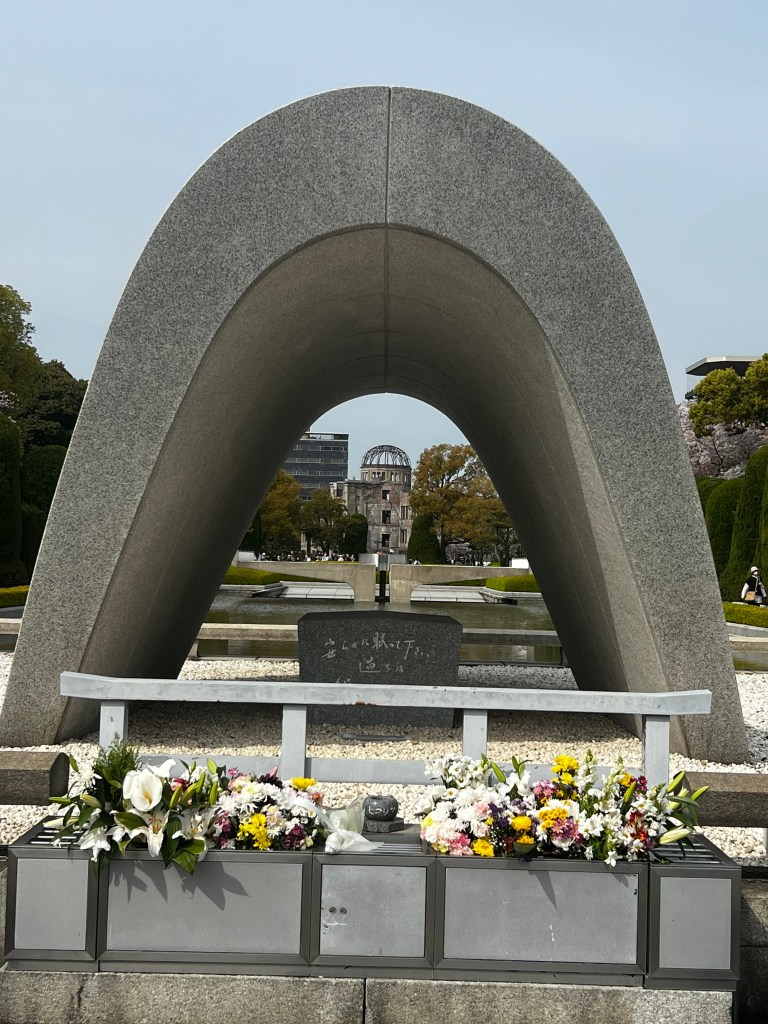
- Hiroshima Peace Memorial Park: This park is dedicated to promoting peace and commemorating the victims of the atomic bombing in 1945. It houses various monuments, museums, and the iconic Atomic Bomb Dome, a UNESCO World Heritage site.
- Hiroshima Peace Memorial Museum: Located within the Peace Memorial Park, this museum provides a comprehensive and emotional account of the atomic bombing and its aftermath. It offers exhibits, artifacts, and personal stories to educate visitors about the devastating impact of nuclear weapons.
- Miyajima Island: Take a short ferry ride from Hiroshima to Miyajima Island, known for its iconic Itsukushima Shrine and its “floating” torii gate, which appears to be standing in the water during high tide. Explore the island’s picturesque landscapes, temples, and hiking trails.
- Hiroshima Castle: Visit the reconstructed Hiroshima Castle, also known as Carp Castle, which offers panoramic views of the city from its top floor. The castle houses a museum showcasing Hiroshima’s history and samurai culture.
- Hiroshima Peace Memorial Ceremony: If you visit on August 6th, you can attend the annual Peace Memorial Ceremony held in the Peace Memorial Park. It is a solemn event that commemorates the victims of the atomic bombing.
- Shukkeien Garden: This traditional Japanese garden is a peaceful oasis in the heart of Hiroshima. Stroll through the beautifully landscaped gardens, tea houses, and ponds, which showcase different landscapes and are especially picturesque during cherry blossom season.
- Hiroshima Okonomiyaki: Hiroshima is renowned for its version of okonomiyaki, a savory pancake made with various ingredients like cabbage, noodles, pork, and topped with a special sauce. Try this local specialty at one of the many okonomiyaki restaurants in the city.
- Hiroshima Museum of Art: This museum houses a diverse collection of art, including Japanese and Western paintings, sculptures, ceramics, and contemporary works. It hosts various exhibitions throughout the year.
- Mazda Museum: For car enthusiasts, the Mazda Museum offers a chance to learn about the history and development of Mazda automobiles through interactive exhibits and displays.
- Hiroshima City Asa Zoological Park: Located on the outskirts of Hiroshima, this zoo is home to a wide variety of animals from around the world. It offers a pleasant day out for families and animal lovers.
Remember to check the opening hours and availability of attractions and places before visiting, as they may vary. Hiroshima offers a mix of historical and cultural experiences that serve as a reminder of the city’s past while showcasing its resilience and vibrant present.
https://en.japantravel.com/hiroshima/miyajima-oyster-festival/31740
Bullet Train to Kyoto
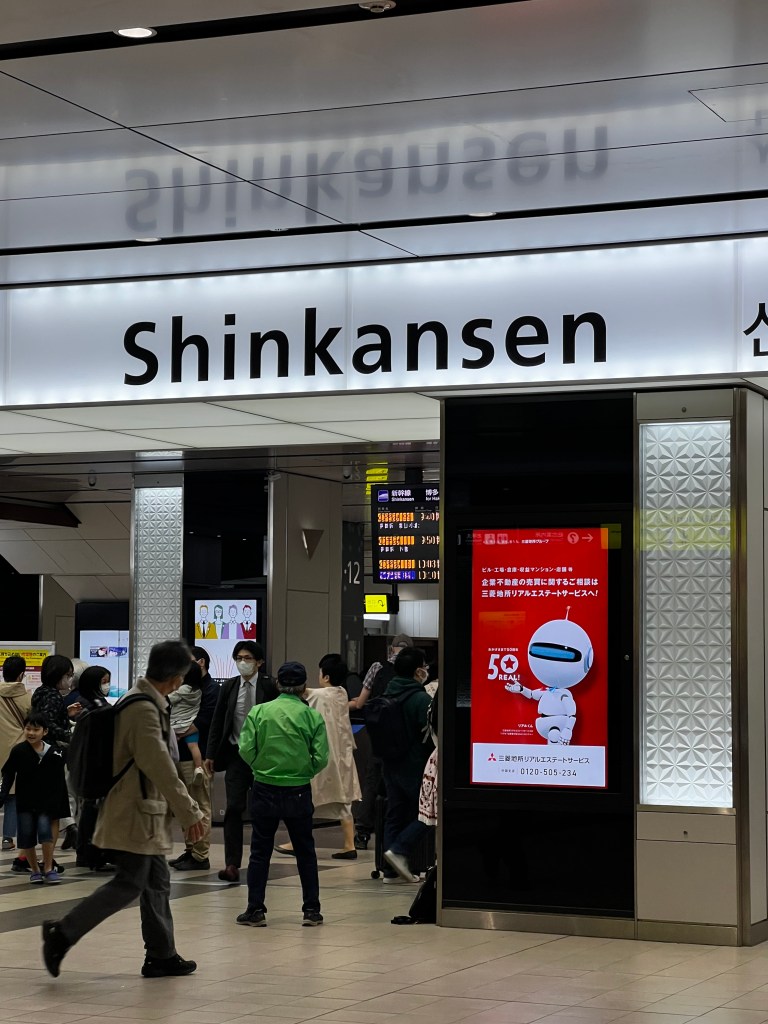
The bullet train, also known as the Shinkansen, is a high-speed railway system in Japan. It is one of the most iconic symbols of Japan’s technological advancements and efficiency in transportation. The Shinkansen began operation in 1964, just in time for the Tokyo Olympics, and has since become a crucial mode of travel for both domestic and international tourists.
The bullet train network connects major cities in Japan, including Tokyo, Osaka, Kyoto, Hiroshima, and Fukuoka, among others. The trains are known for their punctuality, safety, and remarkable speed. The top operating speed of the Shinkansen can reach up to 320 kilometers per hour (200 miles per hour), making it one of the fastest train systems in the world.
The Shinkansen trains are designed with comfort and convenience in mind. They offer spacious seating, ample legroom, and often provide services like food and beverage carts, vending machines, and even Wi-Fi on some routes. The trains are also equipped with advanced safety features, such as earthquake detection systems and automatic train control.
The bullet train has not only revolutionized travel within Japan but has also played a significant role in boosting the country’s economy. It has facilitated faster and more efficient transportation for business travelers, tourists, and commuters, contributing to the growth of various industries and regional development.
Overall, the bullet train in Japan is a testament to the country’s commitment to innovation, efficiency, and excellence in transportation. It remains a popular and highly reliable mode of travel, attracting millions of passengers each year.

Kyoto
Kyoto is a city located in the Kansai region of Japan. It is known for its rich cultural heritage, historic temples, shrines, and traditional Japanese architecture. Kyoto was the capital of Japan for over a thousand years, from 794 to 1868, and served as the imperial residence during that time.
Kyoto is home to numerous UNESCO World Heritage Sites, including the famous Kiyomizu-dera Temple, Kinkaku-ji (Golden Pavilion), and the Fushimi Inari-taisha Shrine. These attractions attract millions of visitors each year who come to admire the beauty and historical significance of these landmarks.
Kyoto is home to numerous UNESCO World Heritage Sites, including the famous Kiyomizu-dera Temple, Kinkaku-ji (Golden Pavilion), and the Fushimi Inari-taisha Shrine. These attractions attract millions of visitors each year who come to admire the beauty and historical significance of these landmarks.
The city is also renowned for its traditional Japanese gardens, such as the famous rock garden at Ryoan-ji Temple and the beautiful moss gardens at Saiho-ji Temple. These gardens offer a peaceful retreat where visitors can experience the tranquility and aesthetics of Japanese landscaping.
Kyoto is famous for its traditional arts and crafts as well. The city is known for its tea ceremonies, kimono weaving, pottery, and calligraphy. Visitors can participate in these cultural activities and learn about the traditional techniques and customs that have been passed down for generations.
In addition to its cultural attractions, Kyoto is also known for its cherry blossoms in spring and vibrant autumn foliage. The city’s parks and gardens come alive with colors during these seasons, attracting both locals and tourists who come to witness the natural beauty of the changing seasons.
Kyoto’s cuisine is another highlight for visitors. The city offers a wide range of traditional Japanese dishes, including Kaiseki (a multi-course meal), Yudofu (tofu hot pot), and matcha (green tea) sweets. Food enthusiasts can explore the local markets, restaurants, and street food stalls to indulge in the flavors of Kyoto.
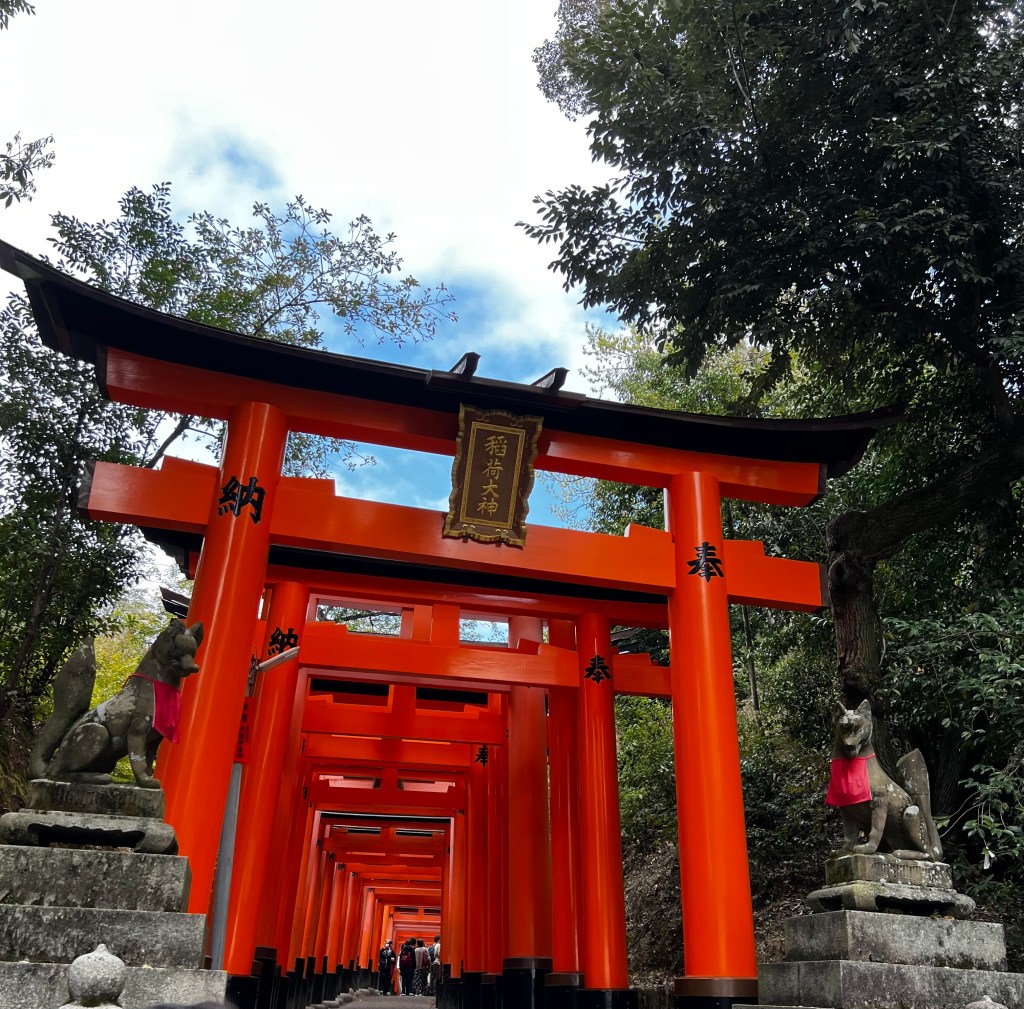
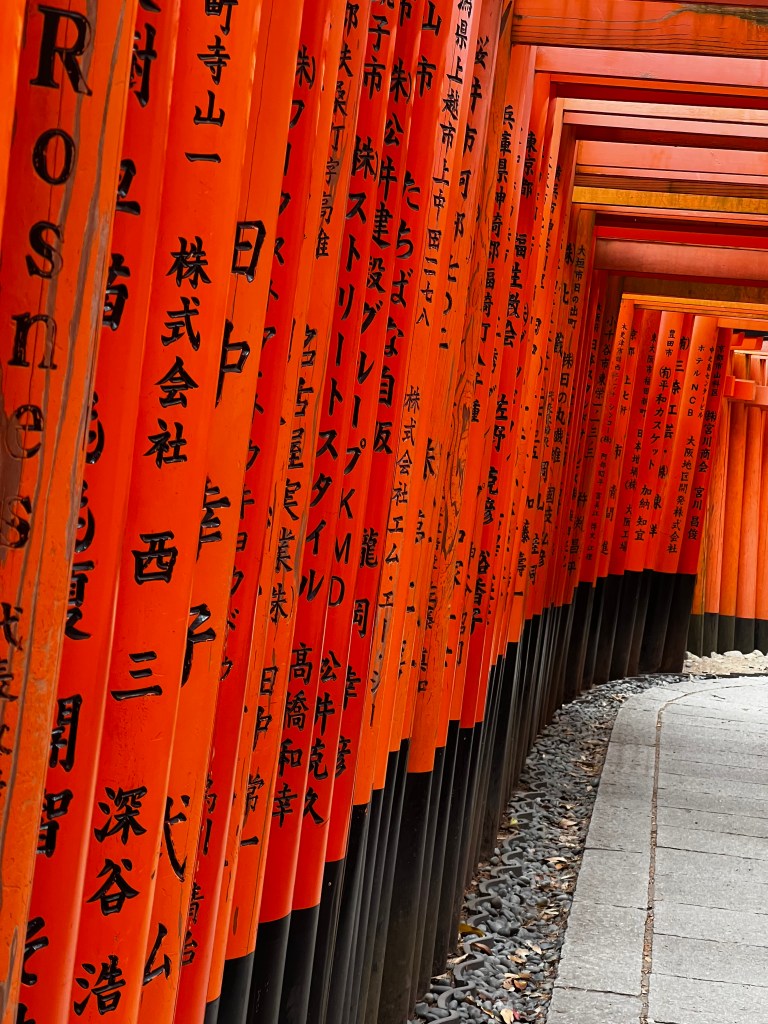
I am willing to visit the Shinto shrine in Kyoto a place where the movie “Memoir of Geisha” was filmed. In this place ‘ fishing shrine,’ you can pay 200k to millions of yen to have your name in the Shinto gates. The length of this shrine is 1.5km long. The more money you donate the bigger gate you get.
Went there by taxi and I was very disappointed because unfortunately, you can’t see geisha with painted white on their face. They do that when they get to their workplace. Only invited people are allowed to see real geishas. This is like a professional secret society in a village or city. They wear so many clothes and walk from their house to their workplace. When they get to work they need to change their kimono to the one bought by their boss which costs about a million yen each person. Each season has a different print in their kimono. They just made it immensely beautiful. I met 2 geishas In a special place as I organised this with the help of a taxi driver and my phone translator😂 hardly anyone speaks English, especially in the countryside
Overall, Kyoto is a must-visit destination for anyone interested in Japanese culture, history, and aesthetics. Its well-preserved heritage, stunning architecture, and serene landscapes make it a unique and captivating city to explore.
Japanese Tea Ceremony
he tea ceremony, known as “chado” or “sado” in Japan, is a traditional and highly ritualized practice of serving and enjoying tea. It is considered an art form that embodies harmony, respect, purity, and tranquility. The tea ceremony has deep cultural and historical roots in Japan and is often associated with Zen Buddhism.
Green tea ceremony
The origins of the tea ceremony can be traced back to the 9th century when tea was introduced to Japan from China. Over the centuries, the practice of tea evolved and became more refined, eventually leading to the development of a distinct Japanese tea ceremony.
The tea ceremony typically takes place in a specially designed tea room called a “chashitsu.” The tea room is a simple and serene space, often featuring tatami flooring, sliding doors, and a small alcove for displaying art objects or a flower arrangement.
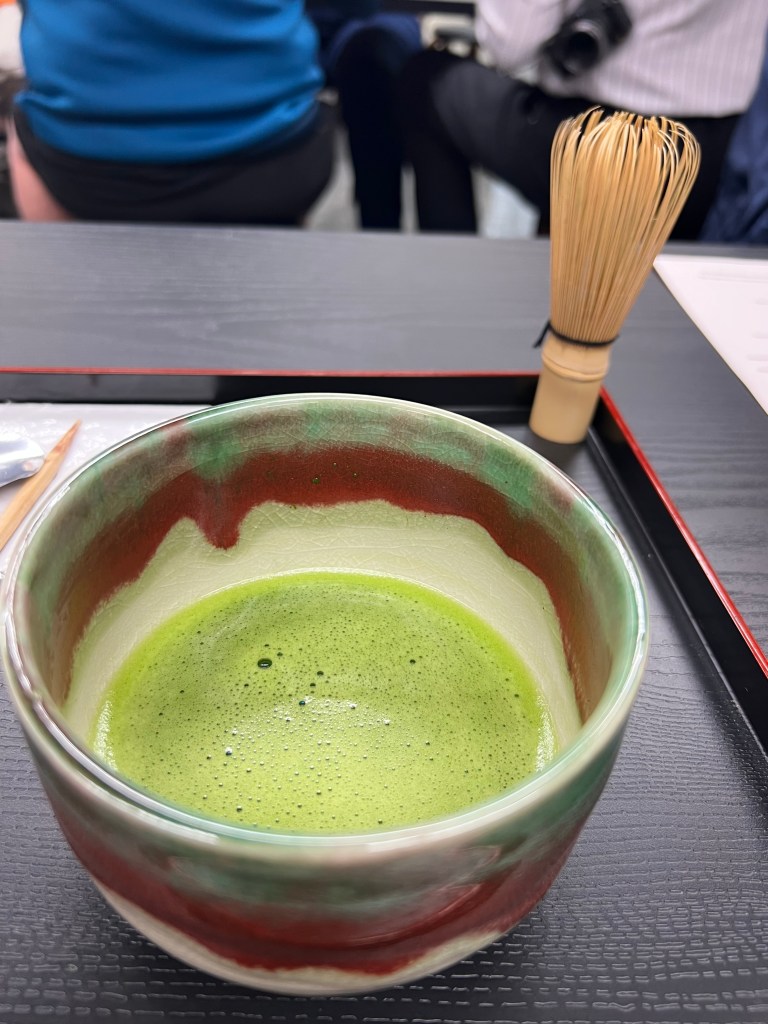
The ceremony is conducted by a host or hostess known as a “teishu” or “chajin.” The host carefully prepares and serves matcha, a powdered green tea, to the guests. The tea is whisked with a bamboo whisk in a ceramic bowl called a “chawan.”
The tea ceremony follows a prescribed set of movements and gestures, which are meticulously choreographed and learned through years of training. These movements include the way tea utensils are handled, the way the tea is prepared, and the way it is served and received by the guests.
During the tea ceremony, the guests are expected to observe certain etiquette and manners. They show respect to the host and each other, maintain a calm and quiet demeanor, and appreciate the beauty and simplicity of the tea utensils, the tea itself, and the overall atmosphere of the tea room.
The tea ceremony is not just about drinking tea; it is a holistic experience that aims to create a moment of mindfulness, connection, and harmony. It is a way to escape the busy and chaotic world and find inner peace and tranquility through the appreciation of tea and the present moment.
Participating in a tea ceremony is a unique cultural experience for visitors to Japan. There are tea houses and cultural centres across the country that offer opportunities to observe or even participate in a tea ceremony. It is a chance to not only taste the delicious and distinctive flavor of matcha but also to immerse oneself in the aesthetics, rituals, and philosophy of this ancient Japanese tradition.
Travel to Kanazawa
anazawa is a city located on the western coast of Honshu Island in Japan. It is the capital city of Ishikawa Prefecture and is known for its rich cultural heritage, historic sites, and beautiful traditional gardens. Kanazawa is often referred to as “Little Kyoto” due to its well-preserved historical districts and its reputation as a center of traditional arts and crafts.
After around 4 hours of travelling from Kyoto, I arrived in Kanazawa. Kanazawa is the capital of the Ishikawa Prefecture and is known for its beautiful Samurai and the Geisha districts, as well as its stunning Kenroku-en Garden.
The Higashi Chaya District is a well-preserved geisha district in Kanazawa. It features traditional wooden tea houses where geisha and maiko (apprentice geisha) entertain guests with traditional arts, such as music, dance, and tea ceremonies. The district’s narrow streets and historic buildings provide a glimpse into the traditional way of life in old Japan.
Food lovers will appreciate Kanazawa’s culinary delights. The city is known for its fresh seafood, including snow crab, yellowtail, and sea urchin. Kanazawa’s local cuisine, known as Kaga Ryori, showcases seasonal and locally sourced ingredients, and many restaurants offer traditional multi-course kaiseki meals.
Washi Paper Making
Kanazawa is also renowned for its traditional arts and crafts. The city has a long history of producing gold leaf, and visitors can witness the intricate process of gold leaf production and purchase various gold leaf products. Kanazawa is also famous for its lacquerware, Kutani ceramics, and Kaga-yuzen silk dyeing. Artisans and workshops in the city offer opportunities for visitors to experience these traditional crafts firsthand.
Several regions in Japan are renowned for their traditional washi paper production, including Echizen in Fukui Prefecture, Gokayama in Toyama Prefecture, and Mino in Gifu Prefecture. These areas have preserved the traditional techniques and continue to produce high-quality washi papers that are sought after both in Japan and internationally.
Washi paper making is not only a craft but also an integral part of Japan’s cultural heritage. The process requires skill, patience, and a deep understanding of the materials, making it a cherished tradition that continues to be passed down through generations.
Here is the corrected information on the process of washi paper making:
- Harvesting: The inner bark of the Kozo (mulberry), Mitsumata, or Gampi plants is harvested during the winter when the fibers are at their strongest.
- Soaking: The harvested bark is soaked in water for several hours or even days to soften the fibers and remove impurities.
- Boiling: The softened bark is then boiled to further break down the fibers and remove any remaining impurities. This process is particularly important for Kozo bark, as it has a higher content of impurities compared to Mitsumata and Gampi.
- Beating: The boiled bark is beaten with wooden mallets or machines to separate the fibers and create a pulp. This process is known as Nagashi-zuki, and it requires skill and precision to achieve the desired consistency. The beating process can vary depending on the type of paper desired, with some papers requiring a longer beating time for a smoother texture.
- Mixing: The pulp is mixed with water and sometimes other natural ingredients like tororo-aoi (fermented plant mucilage) or neri (starch) to enhance the paper’s strength and adhesive properties. This mixture is called “suketa.”
- Sheet Formation: The suketa is poured onto a screen called a “su” (a bamboo frame with a woven mesh) to form a thin, even layer. The excess water is drained off, and the fibers start to bond together. The su is gently shaken to distribute the fibers evenly and create a uniform sheet.
- Pressing: The wet paper sheet is transferred onto a stack of felt sheets and pressed to remove excess water and further bond the fibers together. This is typically done using a wooden press or hydraulic press.
- Drying: The freshly pressed paper is then air-dried on boards or hung to dry in a controlled environment. The drying process can take several days to weeks, depending on the thickness and desired characteristics of the paper.


Washi Paper Making
Throughout the process, traditional techniques are often used, such as hand beating and manual sheet formation, to preserve the unique qualities of washi paper. The result is a strong, durable, and aesthetically pleasing paper with a distinctive texture and absorbency that is highly valued in traditional arts, crafts, and various other applications.
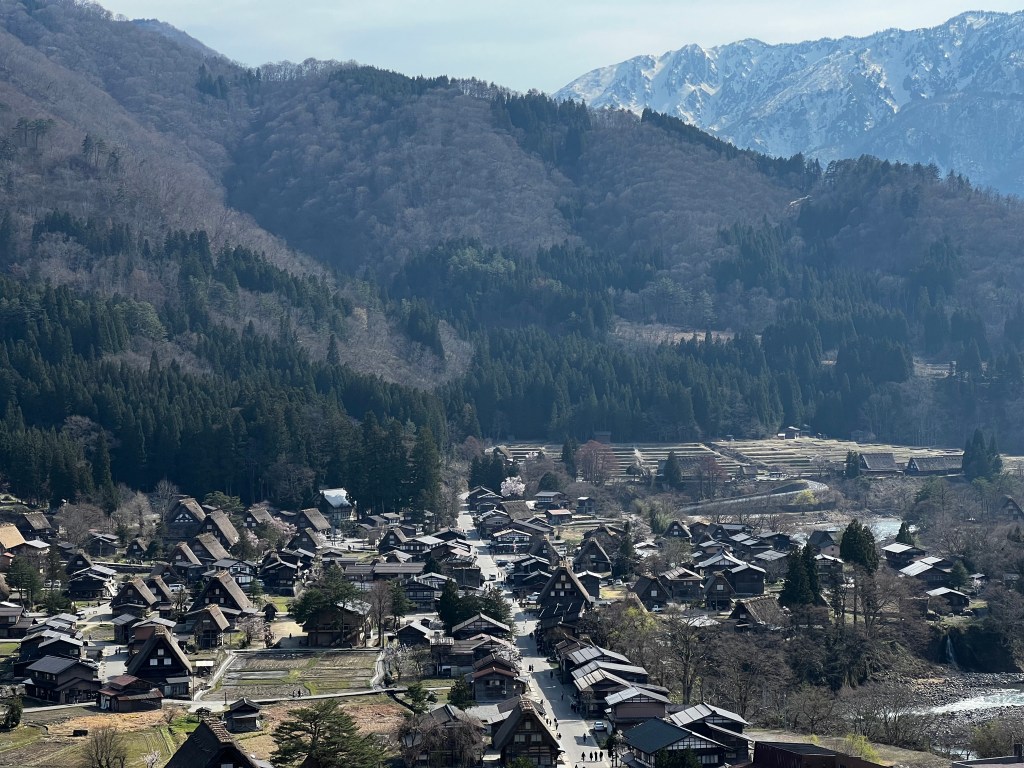
Washi Paper is a type of Japanese paper made from bark fibres, often used in origami. Alongside Gokayama, Shirakawago is a UNESCO World Heritage site known for its unusual architectural style, Gassho-Zukuri. The roofs of these houses are tilted at an almost vertical angle. Takayama dates back to the 17th century and is home to Meiji architecture.
Let’s explore Takayama
Takayama is a charming city located in the mountainous region of Gifu Prefecture in Japan. Known for its well-preserved streets, traditional houses, and rich cultural heritage, Takayama offers a glimpse into traditional Japan.
What you can do and see in Takayama? here are some highlights of Takayama:
Old Town (Sanmachi Suji): The historic district of Takayama’s Old Town is a delightful area to explore. The streets are lined with traditional wooden merchant houses, sake breweries, and shops selling local crafts, snacks, and souvenirs. The area is particularly beautiful during the spring cherry blossom season and the autumn foliage season.
Takayama Jinya: Visit Takayama Jinya, a historic government house that served as the local administration headquarters during the Edo period (1600-1868). You can explore the various rooms and gardens and learn about the city’s history and governance.
Morning Market: Experience the lively atmosphere of Takayama’s Morning Market, where local farmers and artisans gather to sell fresh produce, local crafts, and traditional snacks. It’s a great place to try some regional specialties like Hida beef skewers and mitarashi dango (sweet rice dumplings).
Hida Folk Village: Take a trip to the Hida Folk Village, an open-air museum that showcases traditional thatched-roof farmhouses from the region. Explore the well-preserved houses and learn about the lifestyle, culture, and architecture of rural Japan.
Hida-no-Sato: Another open-air museum, Hida-no-Sato displays over 30 traditional houses from the Hida region. The houses are surrounded by beautiful gardens and offer a glimpse into the traditional way of life in rural Japan.
Hida Takayama Museum of Art: Art enthusiasts can visit this museum to admire a collection of traditional Japanese art, including paintings, ceramics, lacquerware, and metalwork. The museum is situated in a picturesque garden and offers a calm and serene atmosphere.
Hida-Takayama Onsen: After exploring the city, relax and rejuvenate at one of the hot spring resorts in the area. Enjoy a traditional Japanese onsen experience, soaking in the therapeutic waters and unwinding in the peaceful surroundings.
Festivals: If you’re fortunate enough to visit Takayama during one of its festivals, such as the Takayama Spring Festival (Sanno Matsuri) or the Takayama Autumn Festival (Hachiman Matsuri), you’ll witness elaborate parades, ornate floats, and traditional music and dance performances.
Takayama’s rich cultural heritage, stunning natural scenery, and warm hospitality make it a captivating destination to experience the traditional side of Japan.
Travel To Nagano
Nagano is a city located in the central part of Honshu, the main island of Japan. It is the capital city of Nagano Prefecture and is known for its beautiful mountainous landscapes and historical sites.
One of the main attractions in Nagano is the Zenkoji Temple, which is one of Japan’s most important and popular Buddhist temples. It was founded in the 7th century and houses the first Buddhist statue ever brought to Japan. The temple complex is also known for its underground passage, where visitors can experience pitch-black darkness and try to find a hidden key for good luck.
Another famous site in Nagano is the Matsumoto Castle, also known as the “Crow Castle” due to its black exterior. This well-preserved castle dates back to the 16th century and offers a glimpse into Japan’s feudal history. Visitors can explore the castle’s interior and enjoy panoramic views of the city from the top floor.
Nagano is also renowned for its winter sports facilities. It hosted the 1998 Winter Olympics and is home to several ski resorts, including Hakuba and Shiga Kogen. These resorts offer a wide range of slopes for skiers and snowboarders of all levels, making Nagano a popular destination for winter sports enthusiasts.
In addition to its natural and historical attractions, Nagano is also known for its local cuisine. The region is famous for its soba noodles, which are made from locally grown buckwheat. Visitors can enjoy a bowl of freshly made soba noodles at one of the many traditional soba restaurants in the city.
Overall, Nagano offers a unique blend of history, nature, and outdoor activities, making it a popular destination for both domestic and international tourists.
Wasabi Farm in Nagano
Yes, there are several wasabi farms in Nagano, Japan. Wasabi is a spicy green horseradish that is commonly used as a condiment in Japanese cuisine. Nagano is known for its ideal climate and water conditions, making it a perfect region for growing high-quality wasabi.
One of the most famous wasabi farms in Nagano is the Daio Wasabi Farm, located in Azumino City. It is one of the largest wasabi farms in Japan and offers visitors a unique opportunity to explore the fields and learn about the cultivation of this pungent plant. The farm has walking paths that allow visitors to stroll through the fields and see the different stages of wasabi growth.
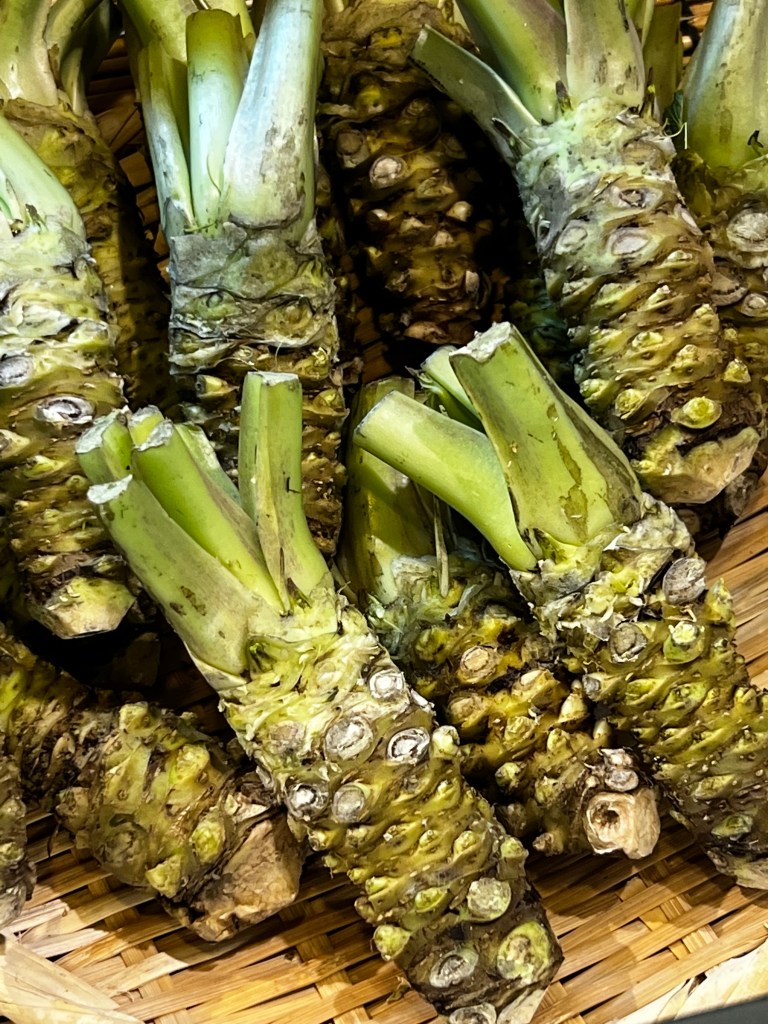
At Daio Wasabi Farm, visitors can also try various wasabi-infused products, including wasabi ice cream, wasabi soba noodles, and wasabi-flavored snacks. There is also a small museum on-site that provides information about the history and cultural significance of wasabi in Japan.
Another popular wasabi farm in Nagano is the Azumino Wasabi Village, located in the same region. This farm offers guided tours where visitors can learn about the traditional methods of growing wasabi and even try their hand at grating fresh wasabi using a traditional grater called “oroshi.”
Visiting a wasabi farm in Nagano is not only a great opportunity to learn about the cultivation of this unique plant but also a chance to taste fresh wasabi and experience its distinct flavor. It is a popular activity for tourists who want to explore the agricultural side of Japan and indulge in the culinary delights that the region has to offer.

Ishii Miso
Ishii Miso is a well-known miso brewery located in Nagano, Japan. Miso is a traditional Japanese seasoning made from fermented soybeans, rice or barley, salt, and a fungus called koji. Nagano is renowned for its high-quality miso production, and Ishii Miso is one of the prominent producers in the region.
The brewery has a long history dating back over 200 years and has been passed down through generations of the Ishii family. They take pride in using traditional methods to make their miso, which involves natural fermentation in large wooden barrels over a long period. This slow fermentation process contributes to the rich and complex flavors of their miso.
Visitors to Ishii Miso can take guided tours of the brewery to learn about the miso-making process. The tours usually include a visit to the fermentation area, where you can see the miso barrels and learn about the various stages of fermentation. You can also learn about the different types of miso and their uses in Japanese cuisine.
At the end of the tour, you can visit the brewery’s shop, where you can purchase a variety of miso products, including different flavors and grades of miso, as well as miso-based condiments and sauces. The shop also offers tasting samples, allowing visitors to savor the distinct flavors of Ishii Miso’s products.
Visiting Ishii Miso in Nagano is a great opportunity to explore the art of miso-making and to experience the flavors of authentic, locally produced miso. It is an educational and culinary experience that showcases the rich food culture of Nagano Prefecture.
Travel deeper into the Japanese Alps
The Snow Monkey Park in Jigokudani, Japan, is a popular tourist attraction known for its resident Japanese macaques, commonly known as snow monkeys. Jigokudani, which translates to “Hell’s Valley,” is located in the Nagano Prefecture, and it is here that visitors can observe these unique monkeys in their natural habitat.
To reach the Snow Monkey Park, visitors need to hike through a picturesque forest trail. The park itself features a dedicated area with a hot spring pool specifically for the monkeys. Viewing platforms and walkways are in place to ensure the safety of both visitors and the monkeys. It’s important to note that while the monkeys are accustomed to human presence, it is essential to maintain a safe distance and not attempt to touch or feed them.
The snow monkeys have become an iconic symbol of wildlife in Japan, and their images are often associated with the country’s winter season. The park offers a unique opportunity to observe these fascinating creatures up close and learn about their behavior and conservation efforts.
Jigokudani Yaen-Koen is home to Japanese Macaques (Snow Monkeys). Jigokudani itself means “Hell’s Valley”. why and what was in my mind at that time. It is named because of the steam and boiling water that bubbles out of small crevices in the ground. I can smell of volcanic area and a very strong smell of sulphur contained in the water. The resident Japanese Macaques like to soak in these baths of hot water. These monkeys live in large social groups and it can be quite entertaining to watch their interactions.
Zenkoji Temple built in the 7th century, Zenkoji stores what many believe to be the first Buddhist statue brought to Japan. Zenkoji’s main hall has a tunnel in its basement where visitors try to find and touch the “key to paradise” in complete darkness. The key is attached to the wall and grants enlightenment to anybody who touches it.
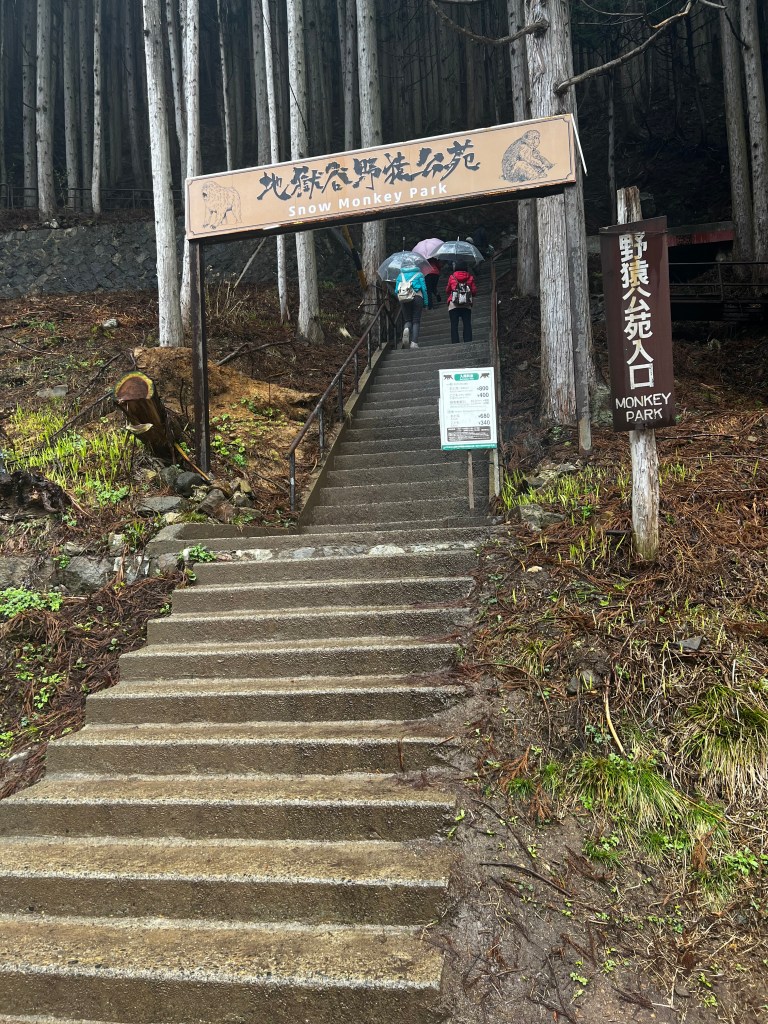
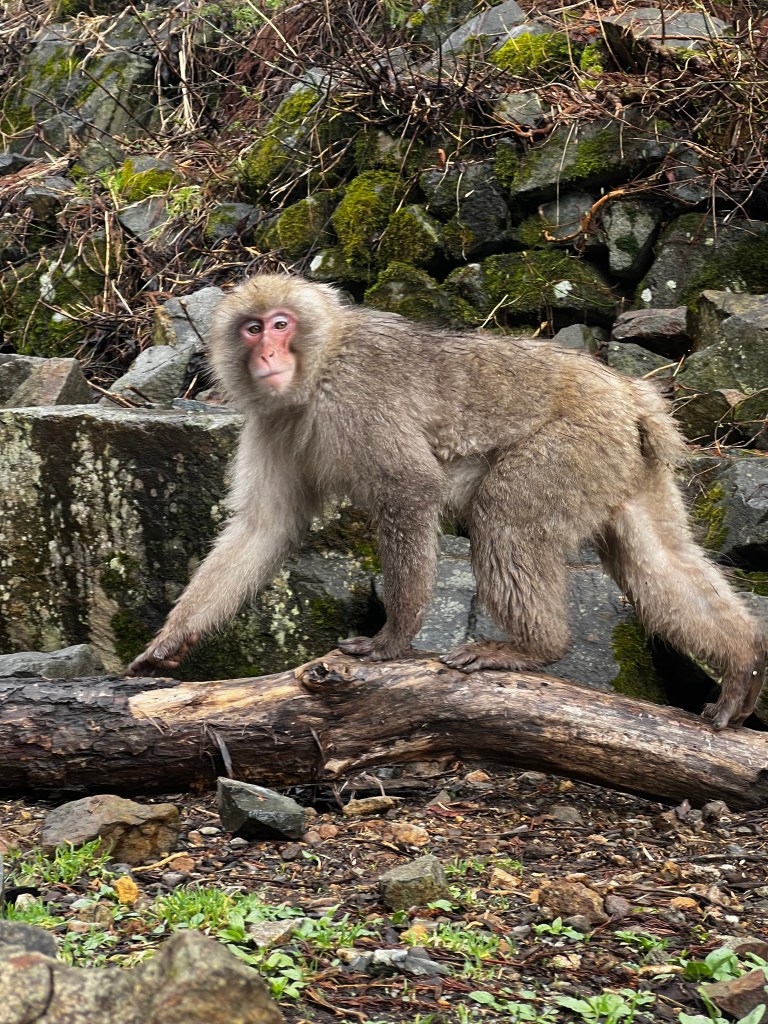
isiting the Snow Monkey Park in Jigokudani is a memorable experience that allows visitors to appreciate the natural beauty of the area and witness the incredible adaptability and intelligence of these snow monkeys.
Mount Fuji
Mount Fuji is an iconic and sacred mountain located in Japan. It is the highest peak in the country, standing at 3,776 meters (12,389 feet) tall. Mount Fuji is situated on Honshu Island, about 100 kilometres southwest of Tokyo, and it is visible from the city on clear days.
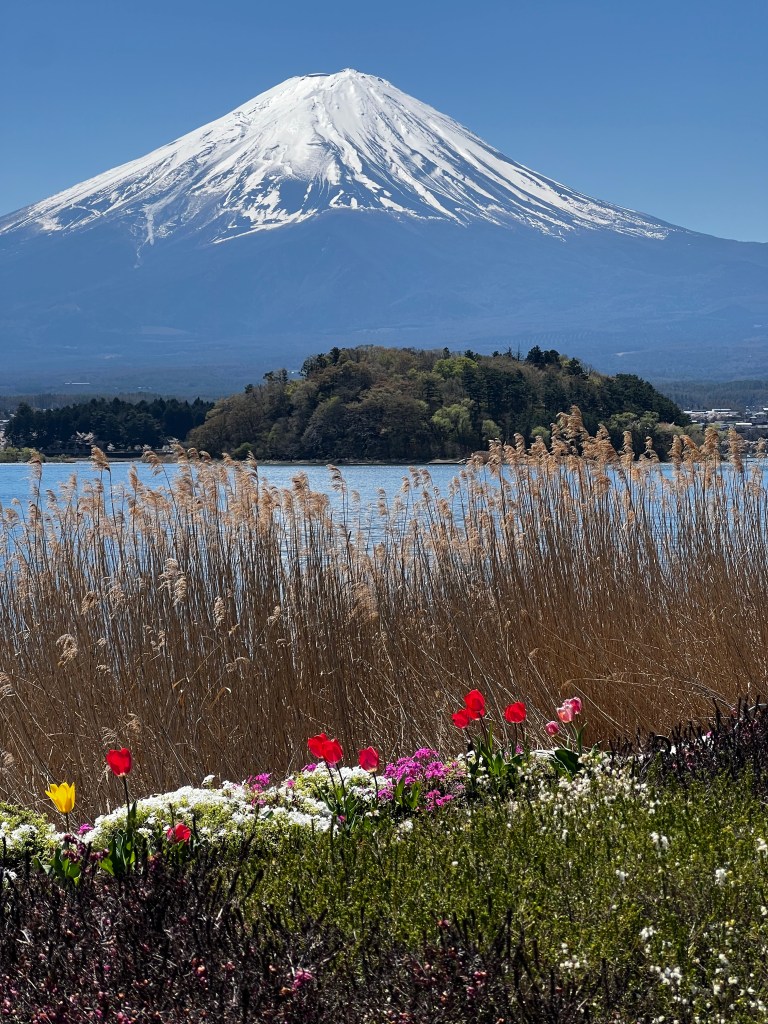
Known for its symmetrical cone shape, Mount Fuji is an active stratovolcano and is considered one of Japan’s Three Holy Mountains. It has been a pilgrimage site for centuries and holds great cultural significance in Japanese art, literature, and religion. In 2013, Mount Fuji was designated as a UNESCO World Heritage Site.
Climbing Mount Fuji is a popular activity for both locals and tourists. The climbing season typically runs from July to early September, when the weather conditions are more favourable. Several trails lead to the summit, with the most commonly used being the Yoshida Trail. Climbers can start their ascent from the fifth station, which is accessible by bus or car.
Reaching the summit of Mount Fuji is considered a significant accomplishment, and it offers breathtaking panoramic views of the surrounding landscapes, including Lake Kawaguchi and the Fuji Five Lakes region. Sunrise from the summit is particularly revered and attracts many visitors.
Aside from climbing, Mount Fuji and its surroundings offer various recreational activities and attractions. The Fuji Five Lakes area, located at the northern base of the mountain, is a popular destination for hiking, camping, and enjoying the natural beauty of the region. The area also features hot springs, museums, and amusement parks.
Whether it’s climbing to the summit, admiring its beauty from afar, or exploring the surrounding area, Mount Fuji remains an iconic symbol of Japan and a must-visit destination for nature lovers and adventure seekers alike.
Hakone to Tokyo
Hakone is a popular tourist destination located in the Kanagawa Prefecture of Japan. It is known for its stunning natural beauty, hot springs, and views of Mount Fuji.
Owakudani: This volcanic valley is famous for its hot springs, sulphur vents, and black eggs boiled in the hot springs which are said to increase longevity. Visitors can take a cable car ride to reach Owakudani and enjoy the breathtaking views.
Hakone is easily accessible from Tokyo and makes for a perfect day trip or weekend getaway. It offers a combination of natural beauty, cultural attractions, and relaxation in the hot springs, making it a must-visit destination in Japan.
- Tokyo is the capital city of Japan and one of the most vibrant and populous cities in the world. Here are some key features and attractions of Tokyo:
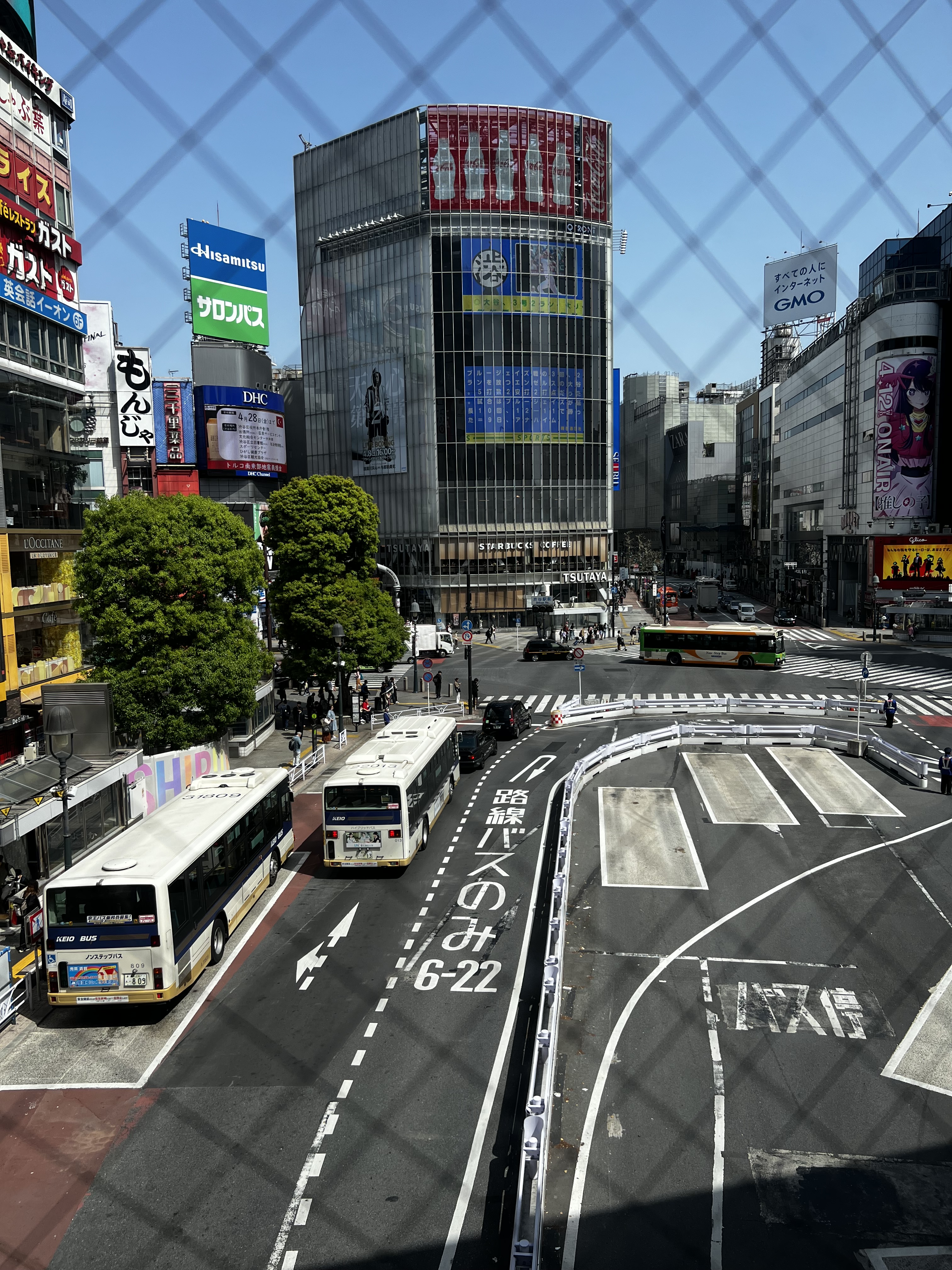
- Shibuya Crossing: Known as the busiest pedestrian crossing in the world, Shibuya Crossing is a must-visit attraction. It’s a spectacle to watch as large crowds of people cross the intersection from all directions.
- Tokyo Disneyland and DisneySea: These two theme parks offer a magical experience for visitors of all ages. Tokyo Disneyland is based on the original Disneyland in California, while DisneySea offers a unique nautical theme.
- Tokyo Skytree: Standing at 634 meters, Tokyo Skytree is the tallest tower in Japan. It offers observation decks with panoramic views of the city and is a popular spot for tourists.
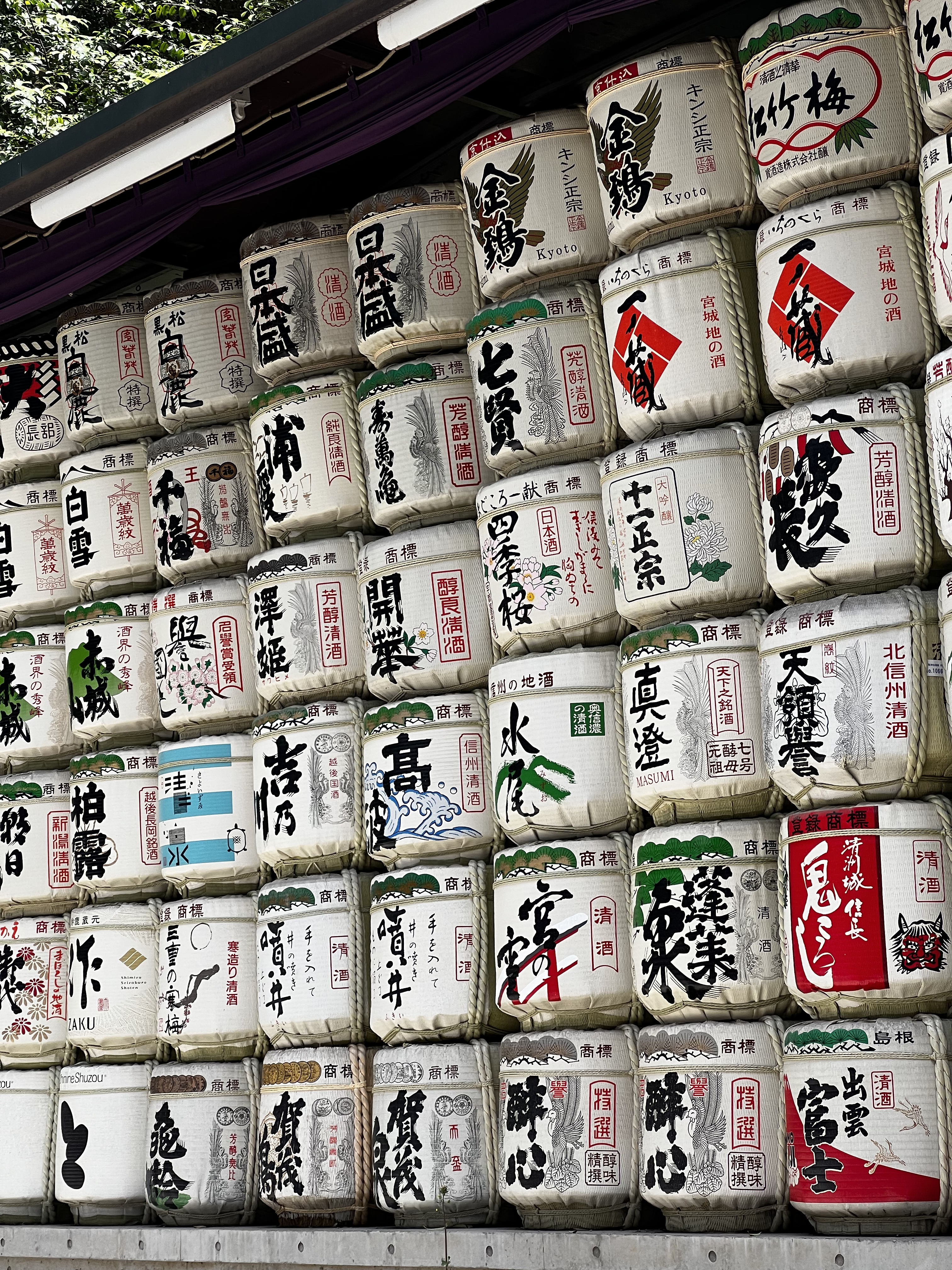
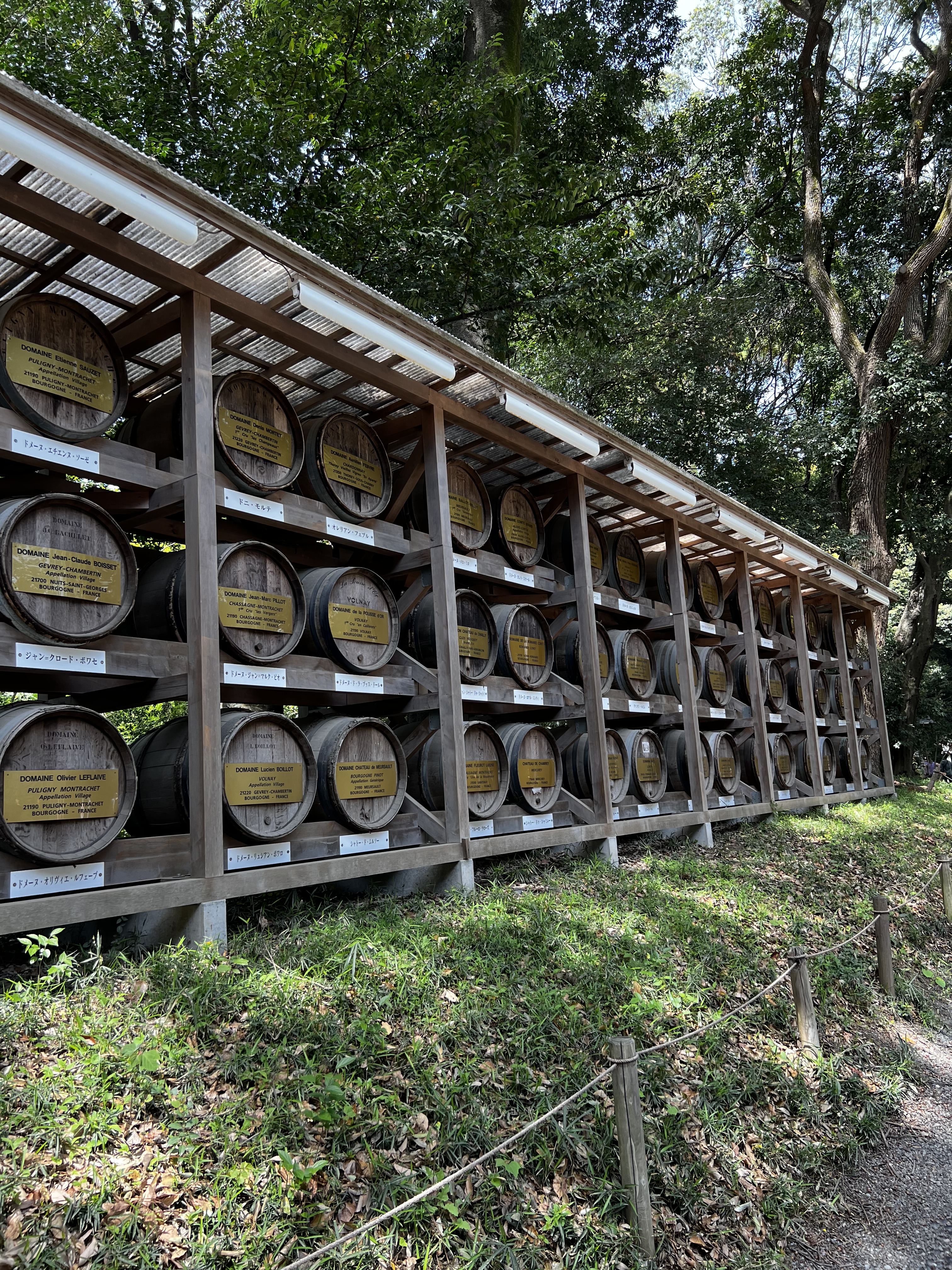
- Meiji Shrine: Located in the heart of Tokyo, Meiji Shrine is a tranquil Shinto shrine dedicated to Emperor Meiji and Empress Shoken. Visitors can explore the beautiful grounds and witness traditional rituals.
- Tsukiji Fish Market: As one of the world’s largest fish markets, Tsukiji is a must-visit for seafood lovers. Visitors can witness the famous tuna auction and indulge in fresh sushi and other seafood delicacies.
- Akihabara: Known as the center of Japan’s otaku culture, Akihabara is a district famous for its electronics shops, anime and manga stores, maid cafes, and gaming arcades.
- Imperial Palace: The Imperial Palace is the main residence of the Emperor of Japan. While the palace itself is not open to the public, visitors can explore the surrounding gardens and enjoy the scenic views.
- Harajuku: Famous for its unique street fashion and quirky shops, Harajuku is a vibrant neighborhood that attracts fashion enthusiasts and trendsetters from all over the world.
- Ueno Park: Ueno Park is a large public park that offers a variety of attractions, including Ueno Zoo, several museums, beautiful cherry blossom trees during spring, and Shinobazu Pond.
- Senso-ji Temple: Located in Asakusa, Senso-ji is Tokyo’s oldest and most famous Buddhist temple. Visitors can explore the temple grounds, purchase traditional souvenirs at Nakamise Shopping Street, and experience the lively atmosphere.
I hope you enjoy your stay in Japan. After all, Japan is a beautiful country that offers so much for travellers like us.
 Exploring The Unknown with Me
Leave a comment