- Indonesia is a diverse and vibrant country located in Southeast Asia, made up of thousands of islands scattered across the equator. Here are some key facts about Indonesia:
- Capital: Jakarta. Population: Approximately 270 million people, making it the fourth most populous country in the world.Language: Bahasa Indonesia is the official language, but there are also hundreds of regional languages and dialects spoken throughout the archipelago.
- Religion: Indonesia has the largest Muslim population in the world, but it is also home to significant Hindu, Christian, and Buddhist communities.
- Culture: Indonesia’s culture is a rich tapestry of traditions, arts, music, dance, and cuisine influenced by various ethnic groups and religions.
- Natural Beauty: Indonesia boasts stunning landscapes, including tropical rainforests, volcanoes, beaches, coral reefs, and rice terraces.
- Tourism: Indonesia is a popular tourist destination known for its beautiful beaches, cultural attractions, wildlife, and outdoor activities.
- Economy: Indonesia has a diverse economy with agriculture, manufacturing, tourism, and natural resources playing key roles.Cuisine: Indonesian cuisine is diverse and flavorful, with dishes like nasi goreng (fried rice), satay, rendang, and soto being popular favorites.
- Biodiversity: Indonesia is one of the world’s most biodiverse countries, home to unique flora and fauna such as orangutans, Komodo dragons, and the Rafflesia flower.Indonesia’s rich cultural heritage, natural beauty, and warm hospitality make it a fascinating and welcoming destination for travelers from around the world.
- Whether you’re interested in exploring ancient temples, relaxing on pristine beaches, or trekking through lush jungles, Indonesia offers a wealth of experiences waiting to be discovered.
Indonesia is a vast archipelago comprising over 17,000 islands, each offering unique landscapes, cultures, and attractions. In this blog I have few recommendation islands that you must visit in Indonesia. Here are some of the most popular islands in Indonesia that are worth visiting:
Bali
Known for its stunning beaches, vibrant culture, lush rice terraces, and spiritual temples, Bali is a top tourist destination with a diverse range of attractions for all types of travelers.Bali, Indonesia, is a popular tourist destination known for its stunning beaches, vibrant culture, lush landscapes, and rich traditions.
- Beaches: Bali is famous for its beautiful beaches such as Kuta, Seminyak, Uluwatu, and Nusa Dua. Enjoy sunbathing, swimming, surfing, or simply relaxing by the turquoise waters.
- Temples: Visit iconic temples like Tanah Lot, Uluwatu, Besakih, and Tirta Empul to experience Bali’s spiritual and architectural heritage.
- Ubud: Explore the cultural heart of Bali in Ubud, known for its art galleries, lush rice terraces, traditional markets, and the Sacred Monkey Forest Sanctuary.
- Waterfalls: Discover picturesque waterfalls like Tegenungan, Gitgit, and Sekumpul for a refreshing dip in nature’s beauty.
- Rice terraces: Visit the stunning Tegallalang or Jatiluwih rice terraces to witness the lush green landscapes and traditional farming practices.
- Mount Batur: Hike up Mount Batur at sunrise for breathtaking views of the volcanic landscape and Lake Batur.
- Wellness and spa: Indulge in traditional Balinese massages, yoga classes, and wellness retreats to rejuvenate mind, body, and soul.
- Cultural performances: Watch traditional Balinese dance performances such as the Kecak Fire Dance or Barong Dance to immerse yourself in the local culture.
These are just a few of the many things you can do in Bali. Whether you’re seeking adventure, relaxation, cultural experiences, or natural beauty, Bali has something to offer for every type of traveler.
Java
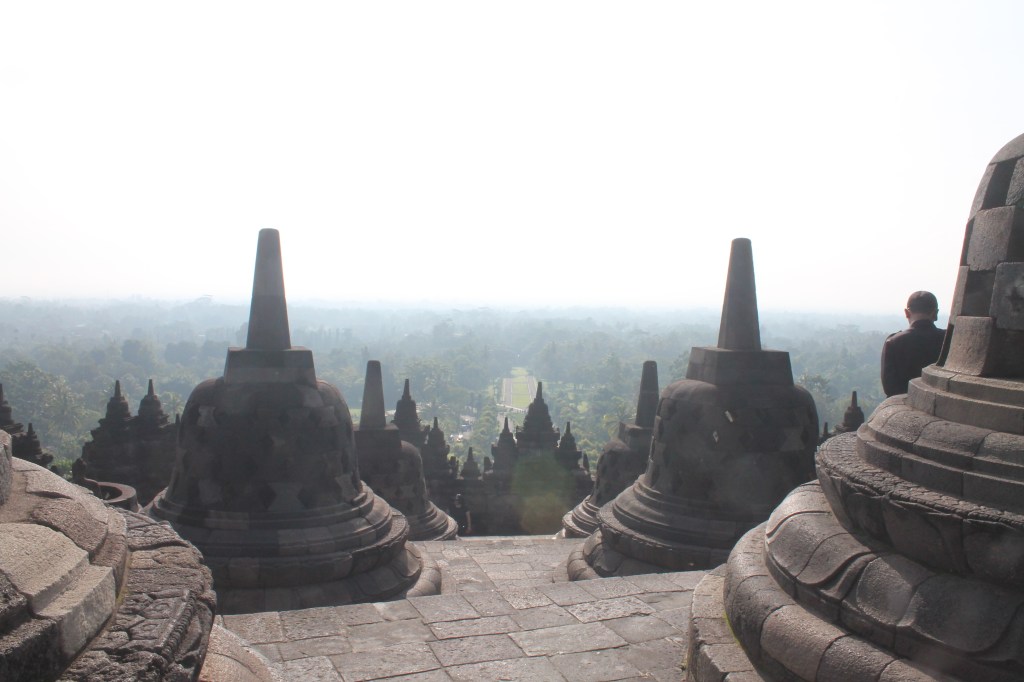
Home to the bustling capital city of Jakarta, Java offers a mix of urban experiences, historical sites like Borobudur and Prambanan temples, and natural beauty including Mount Bromo and Kawah Ijen. Java is dotted with numerous volcanoes, including Mount Merapi, an active volcano near Yogyakarta, and Mount Bromo, known for its stunning sunrise views. With over 140 million people, Java is the most densely populated island in Indonesia. Java is a cultural hub, known for its traditional arts, music, dance, and batik textile designs. The Javanese language and wayang kulit (shadow puppetry) are integral parts of Javanese culture. Java is home to several UNESCO World Heritage Sites, including Borobudur, the world’s largest Buddhist temple, and Prambanan, a Hindu temple complex. Both sites are located near Yogyakarta in Central Java. Beaches: Java has beautiful beaches along its coastlines, with popular beach destinations like Pangandaran, Anyer, and Pelabuhan Ratu. In addition to Jakarta, other major cities on Java include Surabaya, Bandung, Semarang, and Yogyakarta, each offering unique cultural and historical attractions.
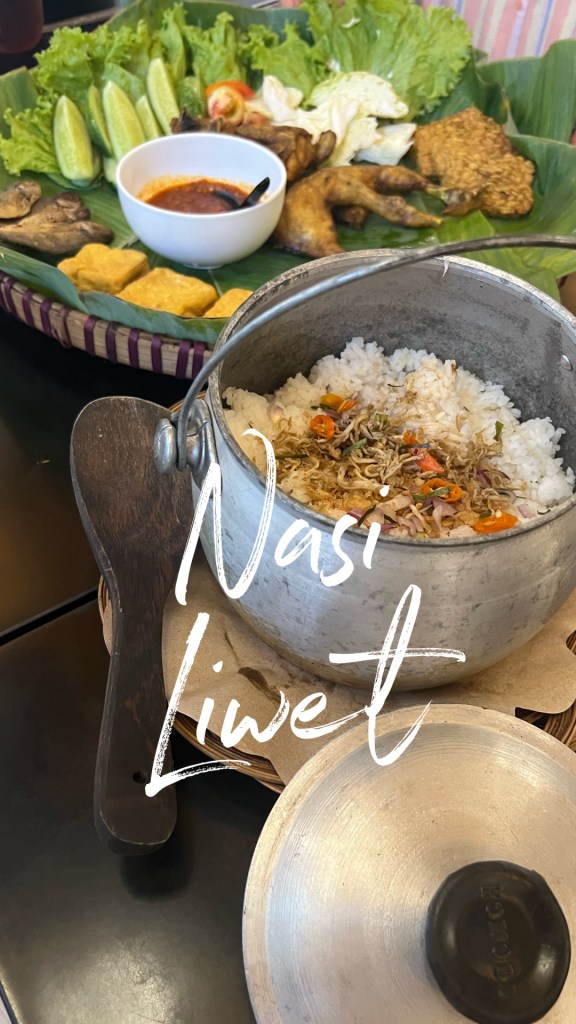
Cuisine: Javanese cuisine is known for its rich flavors and diverse dishes, such as nasi goreng (fried rice), soto (soup), gado-gado (vegetable salad with peanut sauce), and tempeh dishes.
Transportation: Java has a well-developed transportation network, including highways, railways, and airports, making it easy to travel between cities and regions.Biodiversity: Java is home to a variety of wildlife, including Javan rhinoceros, Javan gibbons, and numerous bird species. However, deforestation and habitat loss pose threats to the island’s biodiversity.Java’s blend of history, culture, natural landscapes, and urban centers makes it a fascinating destination to explore for travelers interested in experiencing the diversity of Indonesia. Whether you’re seeking ancient temples, scenic landscapes, or bustling city life, Java offers a mix of attractions and experiences waiting to be discovered.
Komodo Island
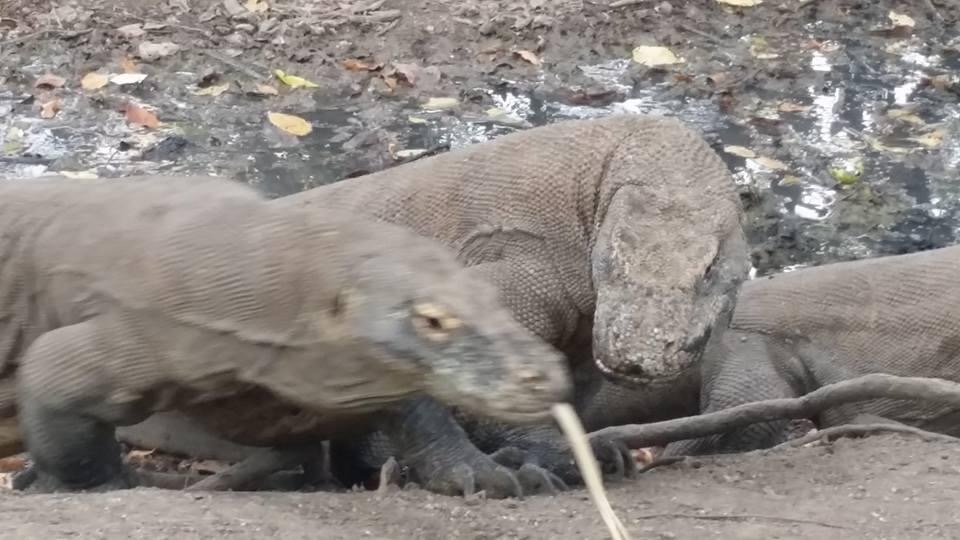
Famous for its Komodo dragons, Komodo Island is part of the Komodo National Park and offers opportunities for trekking, diving, and wildlife spotting.
Here are some key points about Komodo Island:
- Location: Komodo Island is part of the Lesser Sunda Islands in Indonesia, located between the islands of Sumbawa and Flores.
- Komodo National Park: Komodo Island is part of the Komodo National Park, a UNESCO World Heritage Site known for its biodiversity, marine life, and the protection of the Komodo dragon.
- Komodo Dragons: The Komodo dragon, a large monitor lizard, is the star attraction of Komodo Island. Visitors can observe these fascinating creatures in their natural habitat during guided tours on the island.
- Wildlife: In addition to the Komodo dragon, Komodo National Park is home to various wildlife species, including water buffalo, wild boar, deer, and a variety of bird species.
- Diving and Snorkeling: The waters around Komodo Island offer excellent diving and snorkeling opportunities. The underwater world is teeming with marine life, vibrant coral reefs, and clear waters, making it a paradise for underwater enthusiasts.
- Hiking and Trekking: Visitors to Komodo Island can explore the rugged landscapes, savannah-like grasslands, and hills through hiking and trekking trails. The views from the top offer stunning panoramic vistas of the surrounding islands.
- Pink Beach: Komodo Island is also known for its Pink Beach, a unique stretch of beach with pink-hued sand created by a mix of white sand and red coral fragments.
- Conservation Efforts: Due to the declining population of the Komodo dragon and threats to its habitat, conservation efforts are in place to protect this iconic species and preserve the biodiversity of the national park.
- Access: Komodo Island can be reached by boat or tour from nearby Labuan Bajo in Flores. Visitors typically organize guided tours or boat trips to explore the island and its attractions.
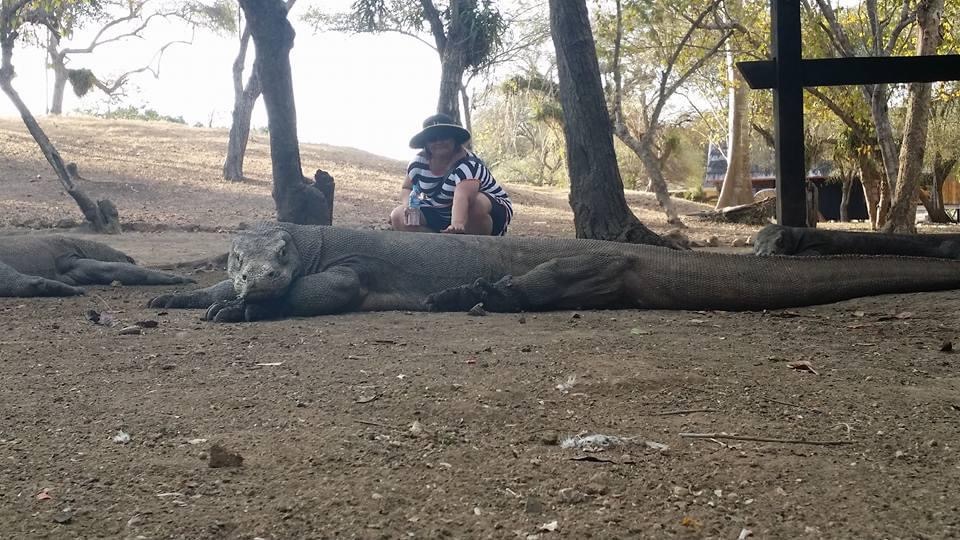
Komodo Island offers a truly unique and unforgettable experience for nature lovers, wildlife enthusiasts, and adventurers seeking to encounter the legendary Komodo dragon and explore the beauty of Indonesia’s natural landscapes.
Lombok
With its pristine beaches, lush landscapes, and the iconic Mount Rinjani, Lombok is a paradise for outdoor enthusiasts and those seeking a more laid-back island experience.Lombok is an island in Indonesia located east of Bali, known for its pristine beaches, crystal-clear waters, lush landscapes, and vibrant culture.
Here are some key highlights and attractions of Lombok:
Lombok offers a more laid-back and tranquil alternative to the bustling tourist hub of Bali, with its natural beauty, cultural experiences, and outdoor adventures making it a sought-after destination for travelers seeking an authentic Indonesian experience. Lombok is an island in Indonesia located east of Bali, known for its pristine beaches, crystal-clear waters, lush landscapes, and vibrant culture.
Here are some key highlights and attractions of Lombok:
Beaches: Lombok boasts stunning beaches with white sand, turquoise waters, and excellent snorkeling and diving opportunities. Popular beaches include Kuta Beach, Tanjung Aan, Selong Belanak, and Gili Islands (Gili Trawangan, Gili Meno, and Gili Air).
Mount Rinjani: Mount Rinjani is an active volcano and the second-highest peak in Indonesia, offering challenging hikes and breathtaking views from the summit. The crater lake, Segara Anak, is a highlight for trekkers.
Gili Islands: The Gili Islands are a group of three small islands off the northwest coast of Lombok, known for their laid-back atmosphere, coral reefs, and vibrant underwater life. These islands are popular for snorkeling, diving, and beach relaxation.
Sasak Culture: Lombok is home to the Sasak people, who have a rich cultural heritage. Visitors can experience traditional Sasak villages, handicrafts, and cultural performances showcasing music and dance.
Waterfalls: Lombok is dotted with beautiful waterfalls, such as Tiu Kelep Waterfall, Sendang Gile Waterfall, and Benang Stokel Waterfall, offering refreshing swimming spots in a natural setting.
Local Cuisine: Lombok’s cuisine is influenced by Sasak, Balinese, and Javanese flavors, with dishes like Ayam Taliwang (spicy grilled chicken), Plecing Kangkung (water spinach salad), and Beberuk Terong (eggplant salad) being popular choices.
Surfers’ Paradise: Lombok is a paradise for surfers, with world-class surf breaks like Desert Point, Ekas Bay, and Gerupuk attracting surf enthusiasts from around the world.
Traditional Handicrafts: Lombok is known for its traditional handicrafts, including intricate woven textiles, pottery, and wood carvings. Visitors can explore local markets and workshops to observe artisans at work.
Lombok offers a more laid-back and tranquil alternative to the bustling tourist hub of Bali, with its natural beauty, cultural experiences, and outdoor adventures making it a sought-after destination for travelers seeking an authentic Indonesian experience.
Raja Ampat
ocated in West Papua, Raja Ampat is a diver’s paradise with some of the most biodiverse marine ecosystems in the world, featuring vibrant coral reefs and abundant marine life. Raja Ampat is a remote and pristine archipelago located off the northwest tip of the island of New Guinea, in the province of West Papua, Indonesia. It is renowned for its incredible marine biodiversity, stunning coral reefs, crystal-clear waters, and breathtaking natural beauty.
Here are some key highlights and attractions of Raja Ampat:
Marine Life: Raja Ampat is considered one of the most biodiverse marine ecosystems in the world, home to a wide variety of marine species, including colorful coral reefs, tropical fish, sharks, manta rays, sea turtles, and pygmy seahorses.
Diving and Snorkeling: Raja Ampat offers world-class diving and snorkeling opportunities with its pristine waters, vibrant coral gardens, and diverse marine life. Popular dive sites include Misool, Dampier Strait, and Wayag.
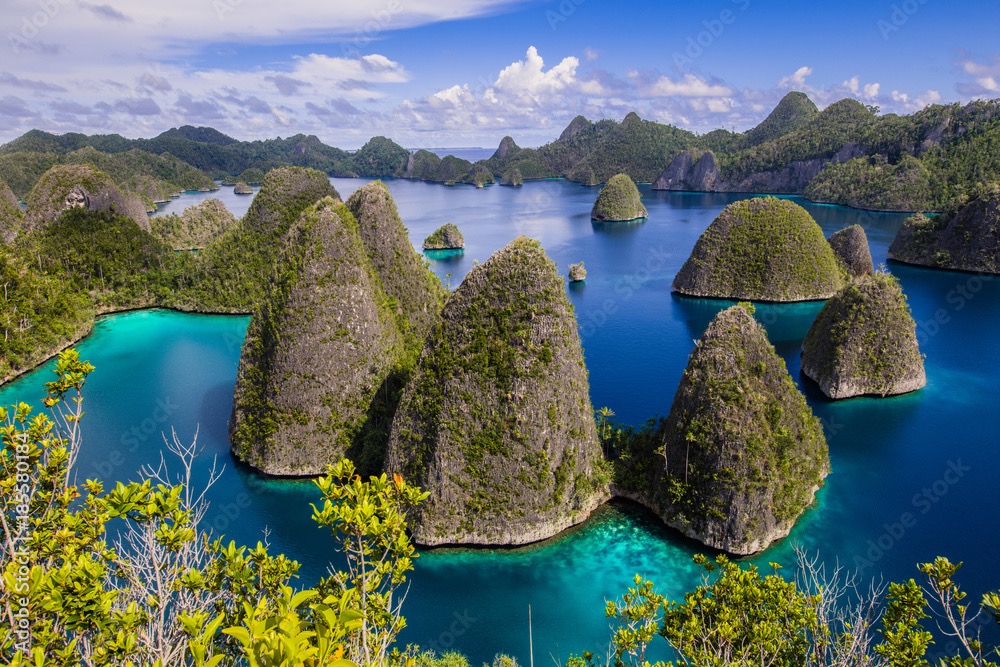
Wayag Islands: The iconic Wayag Islands are a cluster of limestone karst islands with stunning viewpoints, turquoise lagoons, and picture-perfect scenery, making it a must-visit spot for travelers.
Piaynemo: Piaynemo, also known as Penemu, is another popular viewpoint in Raja Ampat, offering panoramic views of the karst islands, lagoons, and turquoise waters from its viewpoint.
Local Villages: Visitors to Raja Ampat can explore traditional Papuan villages, interact with the local communities, learn about their customs and way of life, and support community-based tourism initiatives.
Conservation: Raja Ampat is a marine conservation area known for its efforts to protect and preserve its marine resources. Sustainable tourism practices are encouraged to minimize the impact on the delicate ecosystem.
sland Hopping: Explore the remote and uninhabited islands of Raja Ampat through island-hopping tours, where you can discover hidden beaches, mangrove forests, and unique rock formations.
Bird Watching: Raja Ampat is also a paradise for bird watchers, with over 300 bird species recorded in the region, including the endemic Red Bird of Paradise.
Raja Ampat offers a truly unforgettable experience for nature lovers, divers, snorkelers, and adventurers seeking to immerse themselves in the pristine beauty of one of the world’s most biodiverse marine environments. It is a bucket-list destination for those looking to explore the natural wonders of Indonesia.
Borneo
Borneo is the third-largest island in the world, shared by three countries: Indonesia, Malaysia, and Brunei. Borneo is renowned for its rich biodiversity and is home to a diverse range of flora and fauna, including orangutans, proboscis monkeys, pygmy elephants, and a variety of bird species. It’s covered with ancient rainforests, some of the oldest in the world, which are a haven for wildlife and provide essential habitats for numerous species.
Here are some key highlights and attractions of Borneo:
Mount Kinabalu: Located in Sabah, Malaysia, Mount Kinabalu is the highest peak in Borneo and a popular destination for trekking and hiking, offering stunning views of the surrounding landscapes.
Orangutans: Borneo is one of the last remaining habitats of wild orangutans, and visitors can observe these fascinating primates in conservation centers and rehabilitation sanctuaries.
Diving and Snorkeling: The waters surrounding Borneo offer excellent diving and snorkeling opportunities, with vibrant coral reefs, diverse marine life, and underwater landscapes to explore.
raditional Culture: Borneo is home to diverse indigenous communities with rich cultural traditions. Visitors can learn about the local cultures, traditions, handicrafts, and lifestyles of the Dayak people and other ethnic groups.
River Cruises: River cruises along the Kinabatangan River in Sabah or the Sekonyer River in Kalimantan, Indonesia, offer a chance to spot wildlife such as proboscis monkeys, crocodiles, and a variety of bird species.
Conservation: Borneo faces environmental challenges such as deforestation and habitat loss. Conservation efforts are in place to protect the island’s biodiversity and support sustainable practices.
Adventure Activities: Borneo offers a range of adventure activities, including jungle trekking, wildlife safaris, canopy walks, caving, and river rafting, providing opportunities for outdoor enthusiasts to explore the island’s natural wonders.
Borneo’s natural beauty, diverse wildlife, and cultural heritage make it a unique and captivating destination for travelers seeking to immerse themselves in the wonders of the natural world and experience the rich tapestry of cultures that call the island home.
Sumatra
Sumatra is the sixth-largest island in the world and the westernmost island of Indonesia. Known for its rugged landscapes, diverse wildlife, rich cultural heritage, and lush rainforests, Sumatra offers a range of attractions and experiences for visitors. Home to lush rainforests, wildlife reserves like Bukit Lawang for orangutans, the volcanic Lake Toba, and the cultural heritage of the Batak people, Sumatra is a diverse and fascinating island to explore.
Here are some key highlights of Sumatra:
Orangutans: Sumatra is home to the critically endangered Sumatran orangutan, which can be observed in the wild at rehabilitation centers and national parks such as Gunung Leuser National Park in North Sumatra.
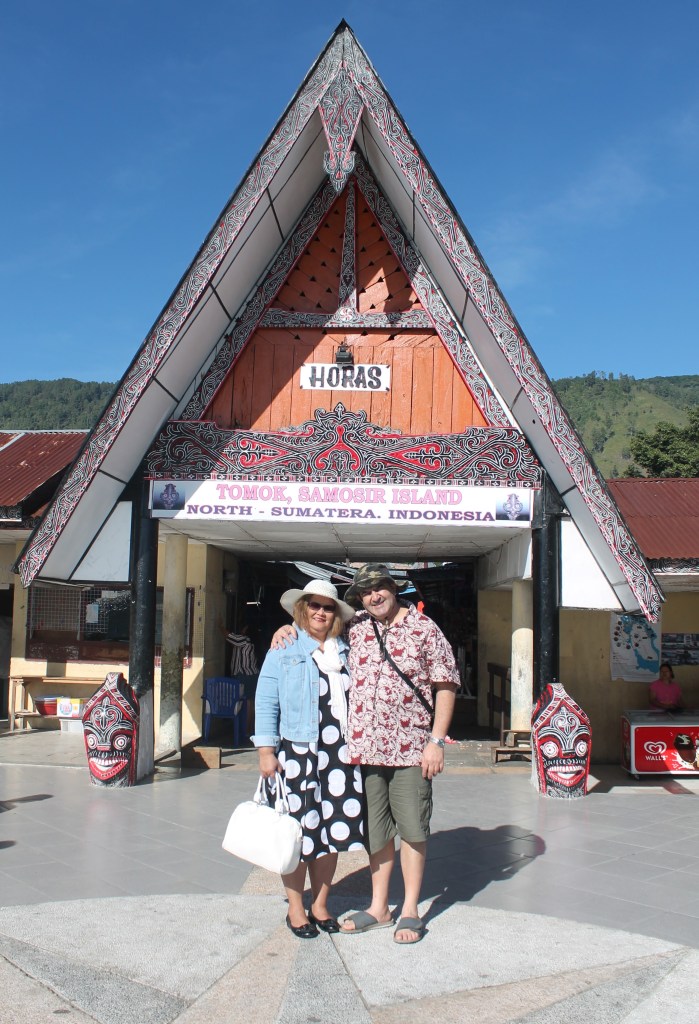
Lake Toba: Lake Toba, also known as Danau Toba, is a volcanic lake located in North Sumatra, Indonesia. It is the largest volcanic lake in the world and one of the most iconic natural landmarks in Indonesia. Toba is a volcanic lake in North Sumatra, known for its stunning beauty and the island of Samosir located in its center. Visitors can enjoy the scenery, explore traditional Batak villages, and relax by the lake.
Bukit Lawang: Bukit Lawang is a popular ecotourism destination in North Sumatra, offering opportunities for trekking, rafting, and orangutan spotting in the lush rainforest of Gunung Leuser National Park.
Minangkabau Culture: West Sumatra is home to the Minangkabau people, known for their unique matrilineal society, traditional architecture, and delicious cuisine, including rendang, a famous Indonesian dish.
Kerinci Seblat National Park: Located in West Sumatra, Kerinci Seblat National Park is one of the largest national parks in Indonesia and a UNESCO World Heritage Site, known for its biodiversity and the chance to spot Sumatran tigers and rhinoceros.
Padang: The capital of West Sumatra, Padang is a bustling coastal city known for its culinary delights, including Padang cuisine, a style of traditional Indonesian food served in small plates.
Mentawai Islands: Off the coast of West Sumatra, the Mentawai Islands offer world-class surfing opportunities, pristine beaches, and a chance to experience the unique culture of the Mentawai people.
Volcanoes: Sumatra is dotted with numerous volcanoes, including Mount Sinabung, Mount Kerinci, and Mount Sibayak, offering opportunities for trekking and adventure.
Sumatra’s natural beauty, diverse wildlife, and cultural heritage make it a captivating destination for travelers seeking off-the-beaten-path experiences and the chance to explore the untamed wilderness of Indonesia. Whether you’re interested in wildlife encounters, outdoor adventures, cultural immersion, or simply relaxing by the lakeside, Sumatra has something to offer for every type of traveler.
Flores
Flores is an island in Indonesia located east of Bali and Komodo Island, known for its natural beauty, diverse landscapes, vibrant culture, and unique attractions. Known for its unique cultural traditions, stunning landscapes, and the famous Komodo National Park, Flores offers opportunities for trekking, diving, and exploring traditional villages.
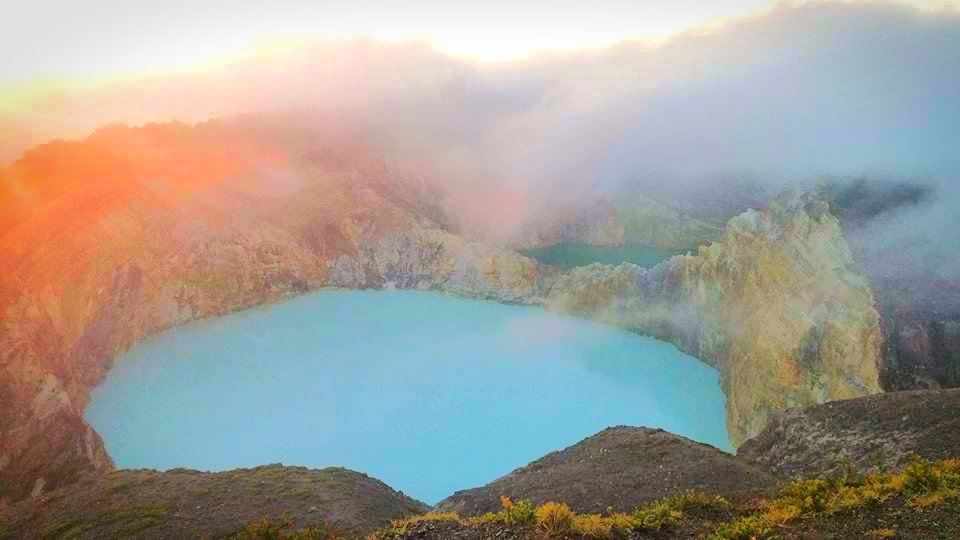
Komodo National Park: While Komodo Island is part of the Komodo National Park, Flores serves as the gateway to this UNESCO World Heritage Site. Visitors can embark on boat trips from Labuan Bajo in Flores to explore the park’s stunning marine life, Komodo dragons, and picturesque islands. Kelimutu National Park is famous for its tri-colored volcanic lakes, known for their ever-changing colors due to mineral deposits and volcanic activity. The lakes are a popular tourist attraction and offer breathtaking views from the summit.
Bena Traditional Village: Bena is a traditional Ngada village in Flores, known for its well-preserved thatched-roof houses, megalithic structures, and unique architectural style. Visitors can immerse themselves in the local culture and witness traditional ceremonies and rituals.
Wae Rebo Village: Wae Rebo is a traditional Manggarai village situated in the mountains of Flores, accessible by a hike through the lush forests. The village features cone-shaped traditional houses called Mbaru Niang and offers a glimpse into the traditional way of life of the Manggarai people.
Riung Seventeen Islands Marine Park: Riung is a small fishing village in Flores, serving as the gateway to the Seventeen Islands Marine Park. The park is known for its crystal-clear waters, coral reefs, and mangrove forests, perfect for snorkeling, diving, and island-hopping adventures.
Spider Rice Fields: The spider-shaped rice terraces in Cancar, near Ruteng in central Flores, are a unique agricultural landscape shaped like a spider’s web. The intricate network of rice paddies offers a fascinating sight and a glimpse into the local farming practices.
Traditional Textiles: Flores is renowned for its traditional handwoven textiles, with each region producing distinct patterns, colors, and designs. Visitors can learn about the art of weaving and purchase unique textiles as souvenirs.
Mount Ebulobo: Mount Ebulobo is an active volcano in Flores, offering hiking opportunities for adventurous travelers. The trek to the summit provides panoramic views of the surrounding landscapes and a chance to witness volcanic activity.
Flores is a hidden gem in Indonesia, offering a mix of cultural experiences, natural wonders, and outdoor adventures for travelers looking to explore off-the-beaten-path destinations. The island’s diverse attractions and rich cultural heritage make it a captivating destination waiting to be discovered.
These are just a few of the many beautiful and diverse islands that Indonesia has to offer. Each island has its own charm, attractions, and experiences that make it worth visiting for travelers looking to explore the natural beauty and cultural richness of Indonesia.
 Exploring The Unknown with Me
Leave a comment