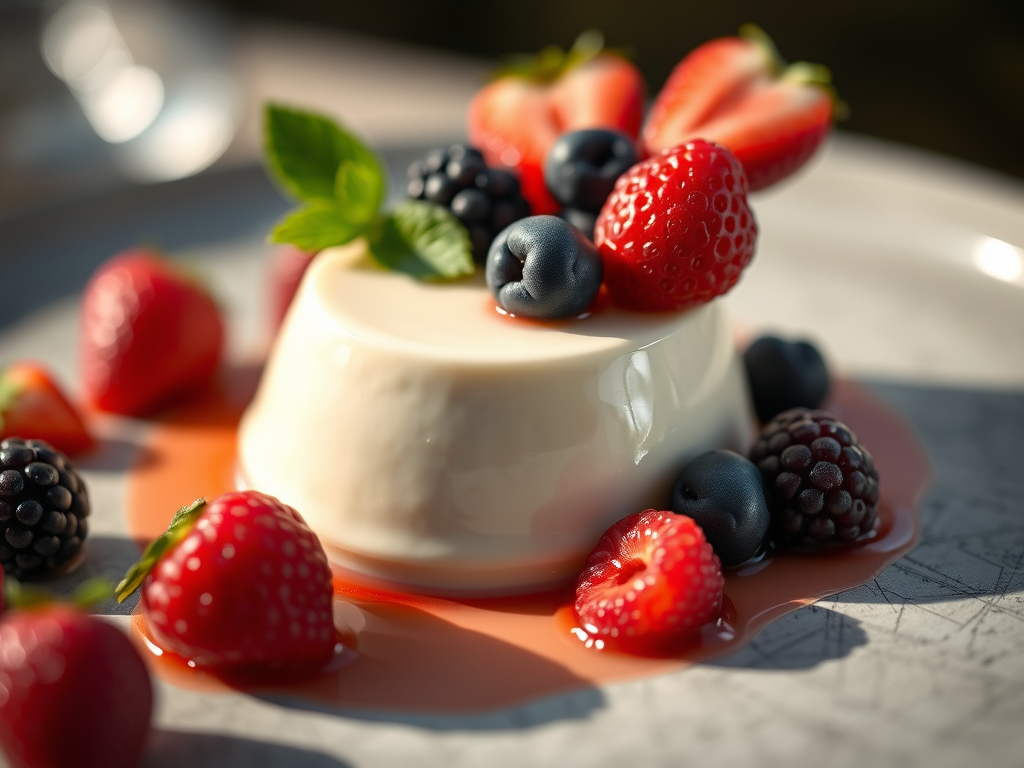
Panna cotta, which translates to “cooked cream” in Italian, is a classic Italian dessert known for its smooth, creamy texture and delicate flavor. While its exact origins are somewhat murky, the history of panna cotta reflects the broader culinary traditions of Italy, particularly the northern regions.
Historical Background
Origins in Northern Italy: Panna cotta is believed to have originated in the northern Italian region of Piedmont. The dish likely has roots in the region’s tradition of using dairy products, particularly cream and milk, which are abundant in this area due to its agricultural practices.
Culinary Influences: The dessert is thought to have been influenced by other creamy desserts and custards found in European cuisine. The technique of thickening cream with gelatin or other agents can be traced back to various culinary practices across Europe.
Early Recipes: The earliest documented recipes for panna cotta are not widely known, but similar desserts made with cream and gelatin have appeared in various European cookbooks. The use of gelatin, particularly from animal sources, became more common in the 19th century as food preservation methods advanced.
20th Century Popularisation: Panna cotta gained popularity in the 20th century, particularly in the post-World War II period when Italian cuisine began to gain international recognition. It became a staple in Italian restaurants and gained a reputation for its simplicity and elegance.
Modern Variations: In recent decades, panna cotta has seen a resurgence in popularity, particularly in fine dining and gourmet cooking. Chefs have experimented with various flavors, such as vanilla, coffee, citrus, and even infusions like herbs and spices. Panna cotta is often paired with fruit sauces, caramel, or chocolate, enhancing its visual appeal and flavor.
Cultural Significance
Regional Variations: While the basic recipe for panna cotta remains consistent, different regions of Italy have their own variations, often incorporating local ingredients and flavors. For example, in some areas, it may be served with berry compote or citrus sauces.
Culinary Tradition
Panna cotta holds a place in Italian culinary tradition as a symbol of the country’s emphasis on fresh, high-quality ingredients and the art of simple yet elegant cooking.
Panna cotta’s history reflects the rich culinary heritage of Italy, combining simple ingredients to create a dessert that is both luxurious and comforting. Its evolution from a regional specialty to a beloved dish enjoyed around the world showcases the adaptability and timeless appeal of Italian cuisine. Whether enjoyed in a rustic trattoria (restaurant in Italian language) or a high-end restaurant, panna cotta continues to be celebrated for its creamy texture and versatility.
I will be cooking this amasing dessert on my next blog.
Enjoy your day and happy cooking.
Love, Lina.
 Exploring The Unknown with Me
Leave a comment